 Join the disputation
The PhD defence and trial lecture will be 100% in-person. The room opens for participation just before the disputation starts, and closes for new participants approximately 15 minutes after the defence has begun.
Join the trial lecture - 25th of April at 10:15 (Aud. 209, Svein Rosselands Hus)
"The impact of stars on habitability of their planets"
Conferral summary
Doktorgradsavhandlingen utforsker småskala eksplosive prosesser i solatmosfæren sett i hydrogenatomets Balmer-linje Hε. Ved å bruke avanserte simuleringer og strålingstransportkoder, demonstrerer Kilian i sin forskning Hε’s egnethet for å oppdage disse små eksplosjonene. Dette arbeidet fremmer ikke bare fagfeltet solfysikk, men veileder også fremtidige soleksperimenter i å utforske de energetiske hemmelighetene til stjernen vår.
Main research findings:
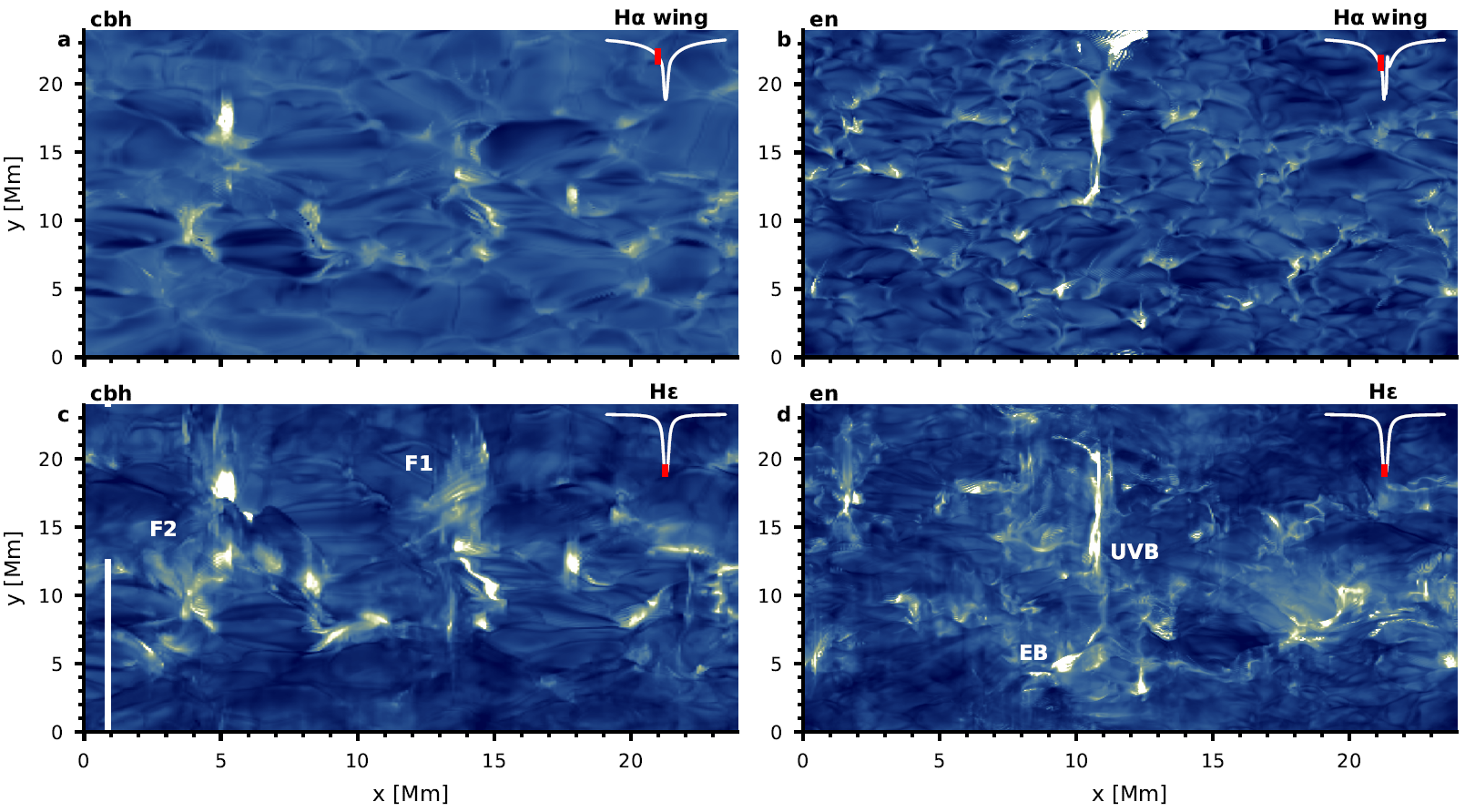
The Sun is a dynamic and energetic star, displaying a range of activities from massive flares to subtle bursts that are difficult to detect. My research focuses on uncovering these elusive events, particularly in the Sun’s quieter regions, using a distinctive type of hydrogen light known as Hε. This tool acts like a detective, revealing hidden heating events that other methods may miss.
My findings demonstrate that Hε is highly effective at identifying weak bursts, known as quiet Sun Ellerman bombs. These mini-explosions may contribute to heating the Sun’s atmosphere. Unlike other hydrogen signals, Hε penetrates through the Sun’s upper layers, providing a clearer view of the activity beneath.
Why is this important? The Sun’s activity influences space weather, which can disrupt satellites and even cause power outages on Earth. My research paves the way for future solar telescopes to employ Hε, enhancing our understanding of the Sun—and potentially other stars as well. In essence, I have handed solar science a new approach that offers deeper insights into the energetic secrets of our star.