
The PhD defence and trial lecture will be held in Auditorium 1 in The Geology Building. In some cases, it will be possible to attend the trial lecture and dissertation digitally, in that case a link to Zoom will be posted.
Join via Zoom (webinar)
Trial lecture
Friday 4 April, 10:15-11:00, Aud 1, The Geology Building:
Jelly Sandwich or Crème Brûlée revisited- the Rheology of the Lower Crust and implications for geodynamics
Conferral summary (in Norwegian)
I denne doktorgradsavhandlingen undersøkes de kjemomekaniske prosessene som skjer ved et enkelt brudd og dannelsen av en pseudotachylytt (avkjølt seismogen-avledet friksjonssmelte) ved nærvær og fravær av infiltrasjon av væske. Michalchuks avhandling viser sammenhengen mellom metamorfose, væske-bergart interaksjoner og reologiske transformasjoner i den nedre jordskorpen ved jordskjelv.
Main research findings
Popular scientific article about Michalchuk’s dissertation:
Fracturing, fluid-rock interactions, and metamorphism in lower-crustal pseudotachylyte-bearing faults
Earthquakes in the dry and strong lower crust can introduce and mobilize fluids along fracture networks that may kickstart metamorphic reactions and promote long-term rheological transformations. Fluid-rock interactions are important because fluids facilitate element transport, they increase metamorphic reactions rates, and they promote viscous deformation. The doctoral thesis from Stephen Paul Michalchuk explores the chemo-mechanical processes operating as a result of single rupture earthquakes and the formation of a pseudotachylyte (solidified earthquake-derived frictional melt), in the presence and absence of fluid infiltration, using a plethora of micro-analytical techniques.
Michalchuk’s analyses have found that earthquake-induced metamorphic transformations are exceedingly fast (minutes-hours) in entirely dry systems. The damage zone flanking a pseudotachylyte is efficiently healed following an earthquake, and that multiple fracturing events are required to mobilize the minute amount of fluids available in dry rocks towards the grain boundaries. The post-seismic growth of garnet is a densification process that results in porosity forming at the grain boundaries around garnet. Fluids at the grain boundaries and fluids filling porosity facilitate viscous deformation that eventually transforms the pseudotachylyte and the adjacent damage zones into a ductile shear zone. The findings in the doctoral thesis demonstrate the interconnected relationship between metamorphism, fluid-rock interactions, and rheological transformations of the lower crust.
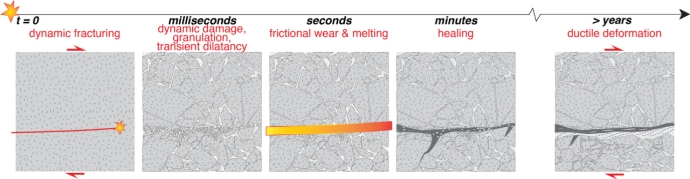
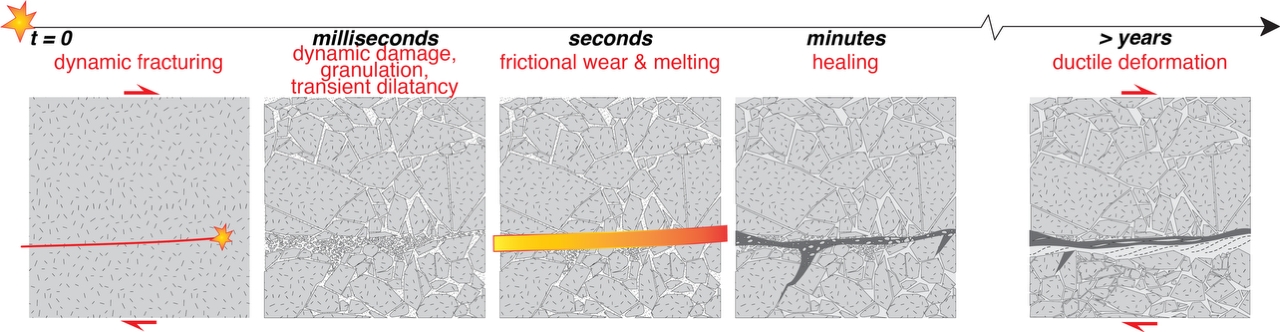
Photo and other information:
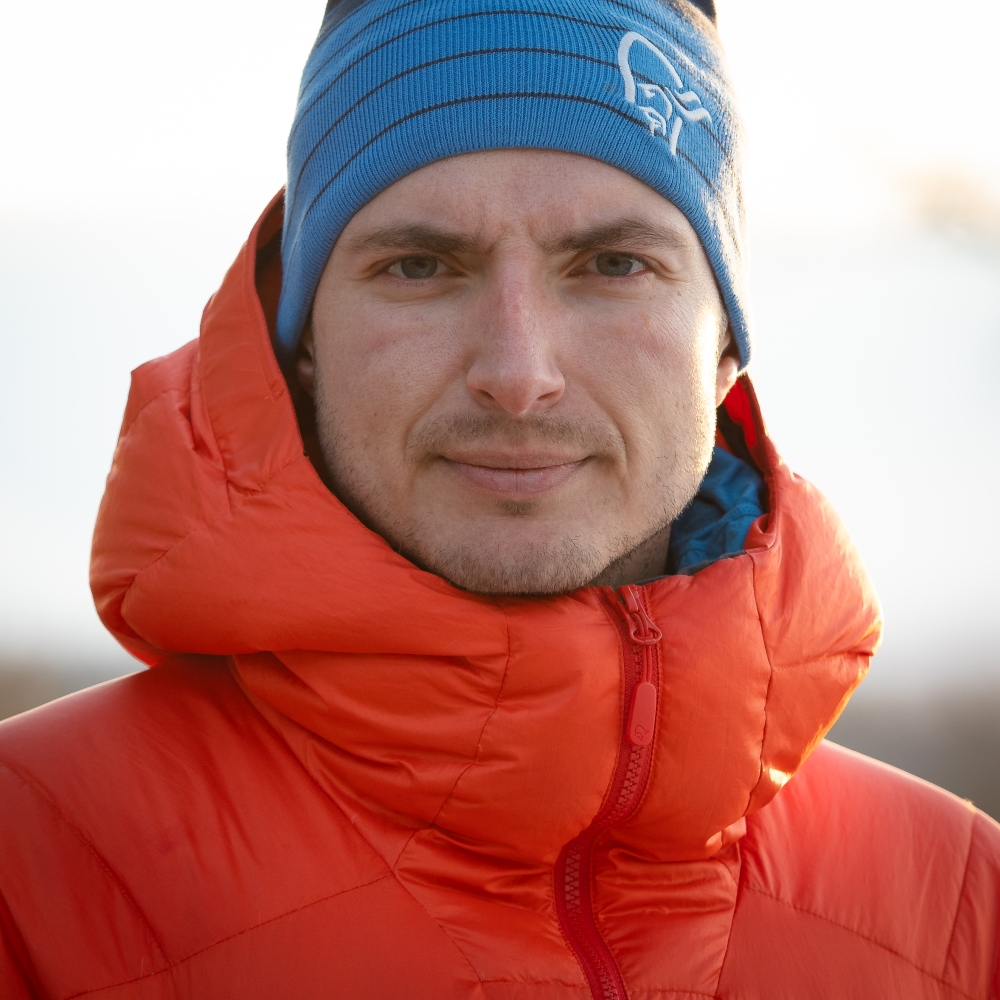
Press photo: Stephen Paul Michalchuk, portrait; 500px. Photo: Private
Other photo material: Figure with description and credit as specified in the article above, size 1280px.