The PhD defence and trial lecture will be held in Auditorium 1 in The Geology Building. In some cases, it will be possible to attend the trial lecture and dissertation digitally, in that case a link to Zoom will be posted.
Trial lecture
Monday 26 May, 10:15-11:00, Aud 1, The Geology Building:
Structures and processes related to volcanic conduits
Conferral summary (in Norwegian)
Kontinentale riftdalbassenger, forkastninger der jordskorpen blir dratt fra hverandre, er ofte knutepunkter med kompleks vulkansk aktivitet, formet av tektoniske, vulkanske og sedimentære prosesser. Slike riftdaler er åsted for noe av den største vulkanske aktiviteten i Jordens historie, og gir viktige opptegnelser for utvikling av vulkanisme over tid. Jack Whattam har i avhandlingen undersøkt vulkansk evolusjon for Oslo-riften, et enestående naturlaboratorium for studier av utviklingen av vulkansk aktivitet på ulike stadier der tidlige, midtre og sene komponenter er bevart. Ved å integrere stratografiske, teksturale, kjemiske og tidsmessige data har studien forbedret vår forståelse av Oslo-riftens geologiske historie samtidig som den gir verdifull kunnskap om vulkanske prosesser i riftdalbassenger over hele verden.
Main research findings
Popular scientific article about Whattam’s dissertation:
Volcanic evolution in continental-rift settings: New constraints from the eruptive and compositional evolution of volcanism in the Oslo Rift
Continental rift basins, where the Earth's crust is pulled apart, are often hotspots for complex volcanic activity, shaped by tectonic, volcanic, and sedimentary processes. These basins can be significant locations for geo-storage, whilst the associated volcanism may present a substantial geohazard. The Oslo Rift serves as an extraordinary natural laboratory for studying the evolution of volcanic activity at different stages, thanks to partial preservation of early-, middle-, and late-stage components.
The PhD research study by Jack Whattam employs advanced geochemical and geochronological techniques to unravel the volcanic deposits of the late-stage Oslo Rift, illuminating the history of volcanism and magma origins over millions of years. The study reveals a more intricate and episodic volcanic evolution than previously recognised, characterised by a mixture of effusive and explosive eruptions interspersed with prolonged quiet periods marked by the formation of lakes and rivers. Notably, some volcanic rocks displayed evidence of both effusive and explosive activity within single eruptions, highlighting complex behaviour. Additionally, the study indicates that the composition of volcanic rocks from this late stage closely resembles that of the early-stage volcanism, challenging established theories.
By integrating stratigraphic, textural, chemical, and temporal data this research not only enhances our understanding of the Oslo Rift's geological history but also contributes valuable knowledge about the evolution of volcanic processes in rift basins around the globe.
Photo and other information:
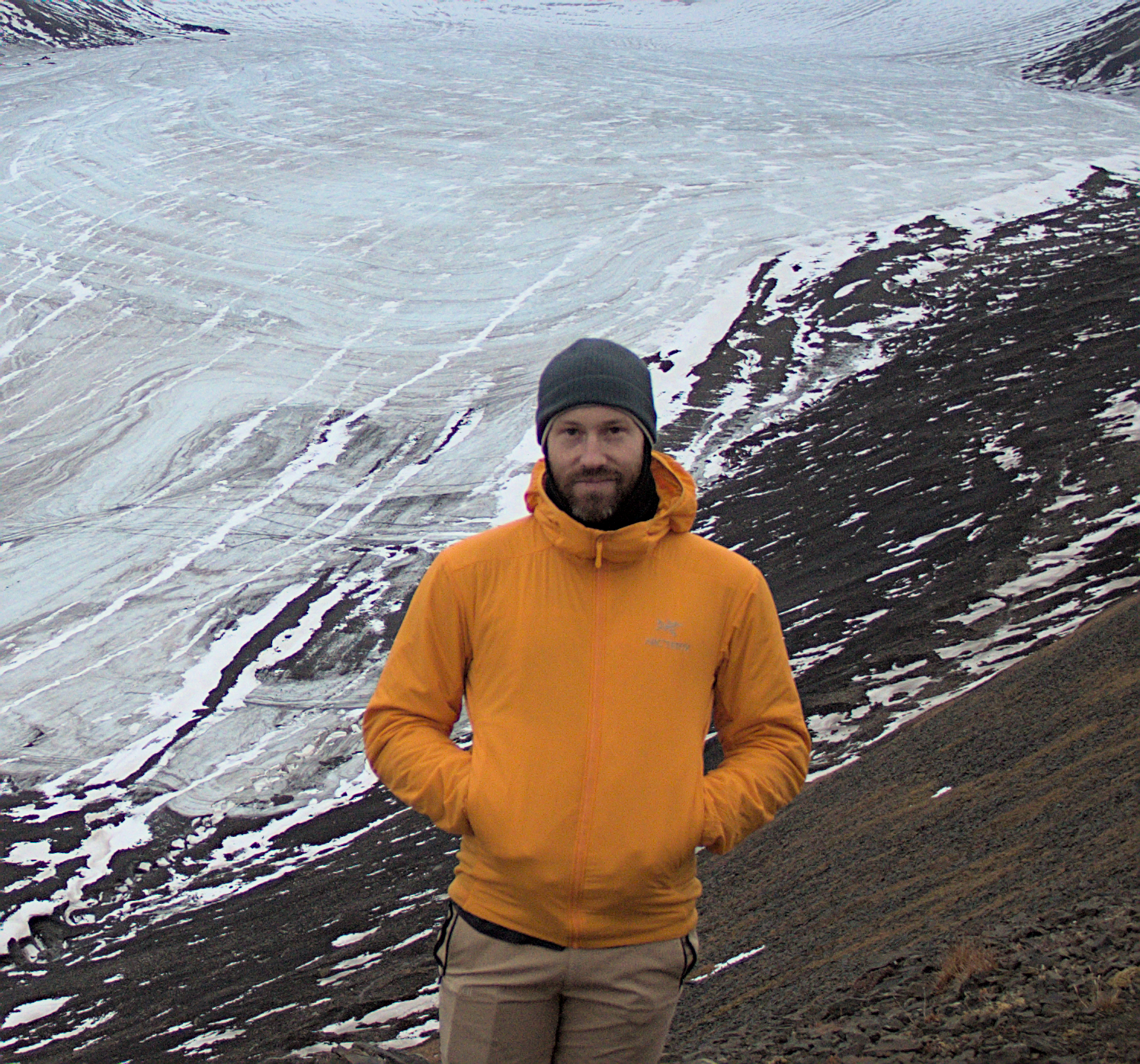
Press photo: Jack Whattam, portrait; 1400px. Photo: Private