Upscaling models can be trained to predict methane fluxes from proxies such as hydrological, geographical, and meteorological landscape characteristics (e.g., from satellite and reanalysis weather data). Improving such a model, or fine-tuning it for a specific region, requires more flux data. However, measurement campaigns are time-consuming and site coverage is inherently limited. This raises the question: where should new measurements be taken to update the model as effectively as possible? Active learning techniques offer a way to answer this question by predicting the information gain of a potential future measurement.
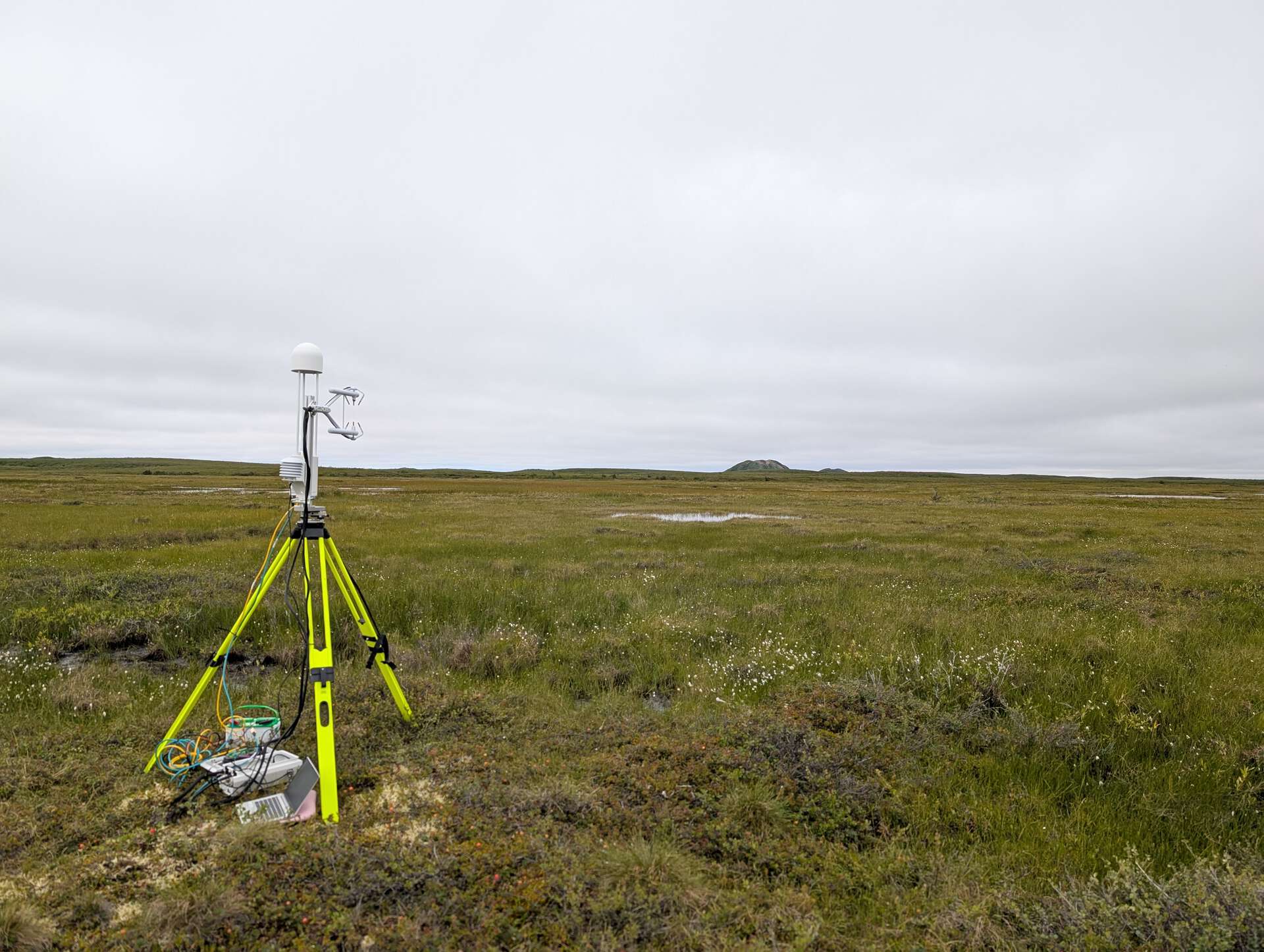
This MSc thesis applies that approach to southern Norway’s mires and wetlands. Existing flux data from several regional sites is already available, including from a restored mire in Trysil monitored with two eddy-covariance towers (one at the restored site and one at an originally drained mire) and several flux chambers, with a third tower planned. This and other data can be used to train a methane flux upscaling model for the region. Furthermore, the student will have the opportunity to collect additional data using a flexible eddy-covariance system, putting active learning into practice by helping to identify where new measurements would most improve the model.
The exact focus of the MSc thesis is flexible and can be tailored together with the supervisors—for example, toward understanding regional processes and the effects of mire restoration, or toward machine learning and active learning model development.