Project Description
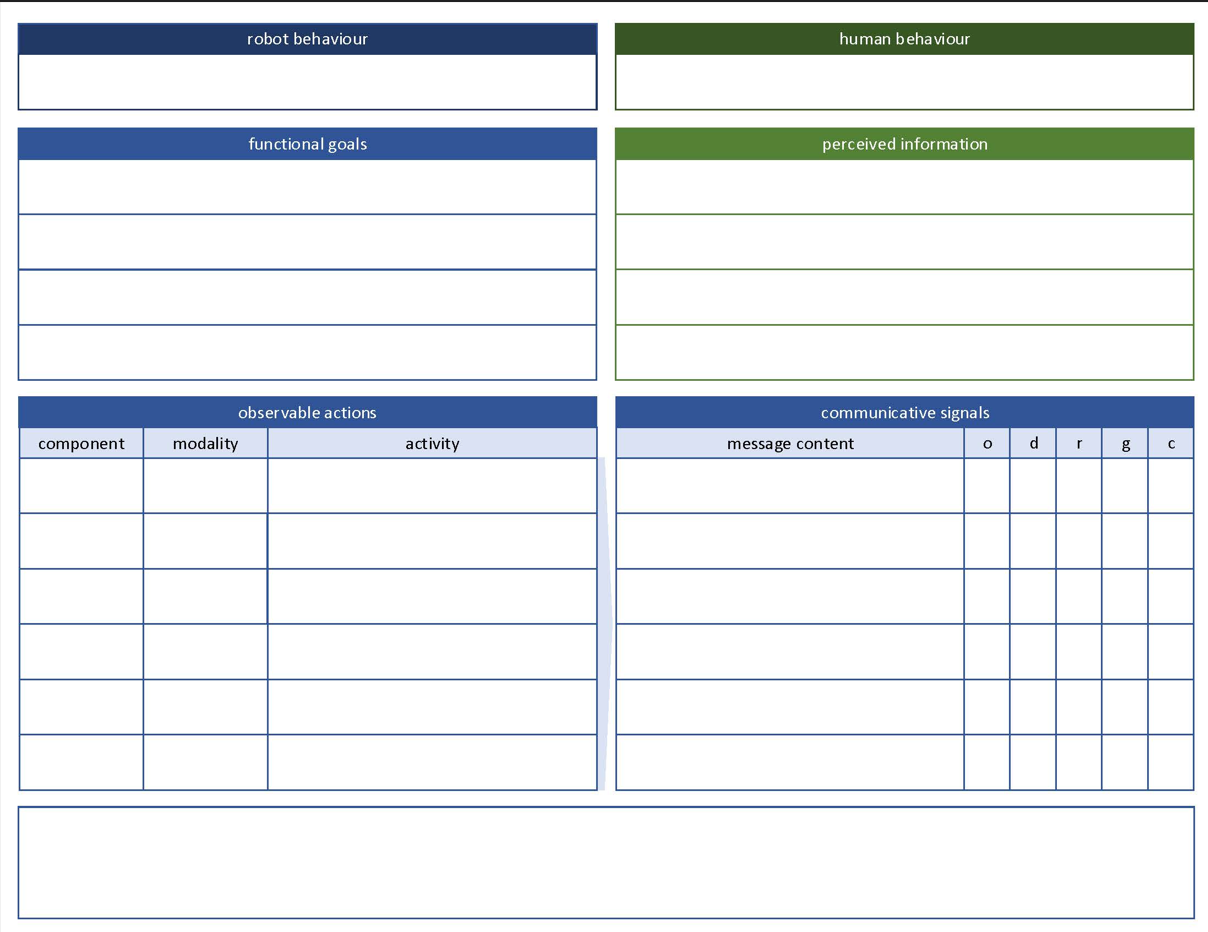
We published a paper, Communicative Robot Signals: Presenting a New Typology for Human-Robot Interaction that classified signals from robots (lights, movements, sounds, etc.) in the context of communication and interaction with humans. The resulting typology created 5 properties (origin, deliberateness, reference, genuineness, and clarity) and a worksheet that could be used to describe the signals as a robot completes a goal. We used this typology to describe and discuss several interactions in other articles.
So, from the article, we know the typology works descriptively, but is it prescriptive? That is, can we use the typology to create new interactions and be able to roughly guess how it will be interpreted by the people viewing or interacting with the robot?
Project tasks
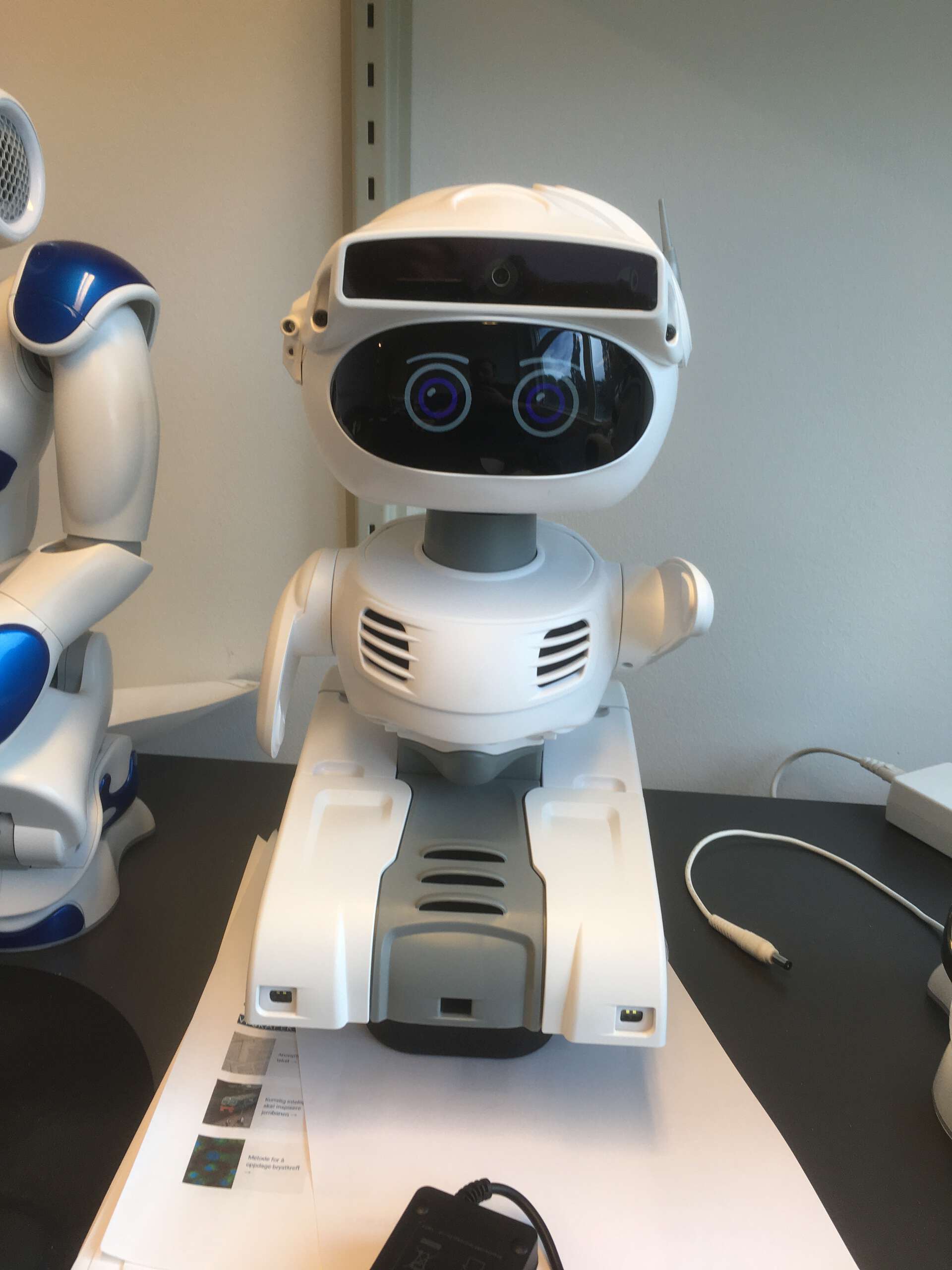
Students would be expected to design interactions with a robot (for example a NAO or a Misty II) using the typology as guidance and run a study to see how people perceived these interactions.
Courses
Working with the robot requires some programming experience. Knowledge from IN2020 for designing studies, or IN5000 for doing a qualitative approach. One of the design course (e.g., research through design) would also be helpful.