This Master project will be a collaboration between the Language Technology Group and the UiO Centre for Global Sustainability (GLOBE). You will analyze how the notion of "greenness" is changing in the documents describing EU-funded projects in the last decades. All this data is in English.
The language of development policy is in constant flux. Concepts that once dominated the discourse, like "sustainable development", have given way to more urgent framings such as the "green transition" or " transformation". The very meaning of "green" has evolved dramatically from an earlier focus on nature conservation and pollution control to a holistic economic paradigm centred on alternative models of growth. However, this conceptualisation is not a neutral, technical exercise. It is intrinsically linked to the political goals and strategic interests of stakeholders.
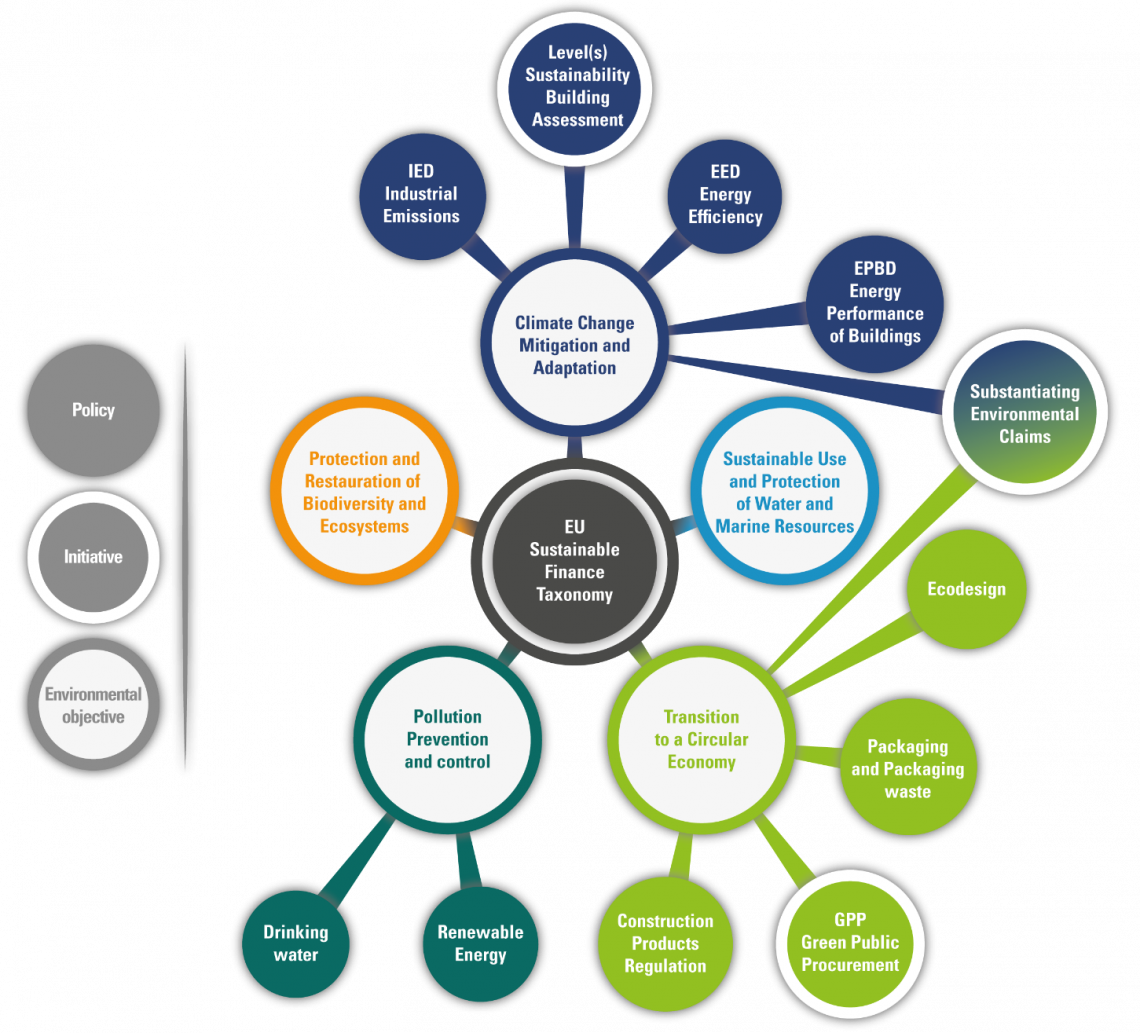
For example, the EU Taxonomy for Sustainable Activities, reflecting EU priorities, is the guideline for external action and investments. It steers massive flows of capital by defining which large-scale infrastructure projects are officially considered sustainable and therefore worthy of financing. The vagueness of what is "green" has historically allowed for "greenwashing," where initiatives are rhetorically aligned with sustainability goals without delivering substantive change.
Thus, it is important to trace how the "greenness" notion developed over time and how its usage correlates to funding decisions and other project properties. This is where NLP methods can be of help.
Changes of meaning over time are called diachronic semantic shifts. They can be captured automatically by employing large (or even not so large) language models. This is now a solid sub-field within NLP, with several survey papers on the topic, a series of successful ACL workshops, a seminal SemEval shared task in 2020 and other shared tasks for various languages: e.g, AXOLOTL'24 for Finnish, German and Russian. Several tutorials are also available.
In this Master thesis, you will use modern methods of semantic change modeling to trace and visualize the evolution of "greenness"-related words in the semantic space. Is "green" in 2022 the same as "green" in 2010? What are the typical trends? Is there any correlation between the "greenness" aspects and the probability of a project being funded by the EU? You will try to find the best approaches to answer these questions - and may be many more other interesting questions as well!
Prerequisites: basic Python skills, basic experience with modern NLP systems (HuggingFace Transformers library). Note that for this Master project, it is expected that the real practical work (experiments) starts already in the Spring of 2026.
References
- Brugger, F., Etienne, D., Hool, J., Küpper, R., & Weiss, D. (2023). Analysing Sustainability Reports Using Machine Learning
- Mariia Fedorova, Andrey Kutuzov, and Yves Scherrer. 2024. Definition generation for lexical semantic change detection.
- Andrey Kutuzov, Vadim Fomin, Vladislav Mikhailov, Julia Rodina (2020). ShiftRy: Web Service for Diachronic Analysis of Russian News.