Asclepios
A Student-Driven Analog Mission and Space Sector Opportunities
Asclepios is a unique analog mission designed by students for students, offering a valuable hands-on experience. This initiative, based in Switzerland, simulates real-world challenges faced during space exploration, allowing participants to test their skills in areas such as mission planning, engineering, and operations. By replicating lunar-like conditions on Earth, Asclepios enables students to understand the complexities of living and working in extreme environments, preparing them for future roles in the space sector. Beyond technical expertise, it fosters teamwork, problem-solving, and innovation. There have been 4 missions so far, and a fifth one is under preparation.
IMMERCOG
Exploring Human Performance in Extreme Environments
The IMMERCOG project focuses on how extreme environments impact the mental and physical performance of teleoperators—individuals remotely controlling robotic systems. With human space exploration gaining momentum, tasks like operating robotic arms on the International Space Station or controlling lunar rovers demand precision and resilience under stress. Through controlled lab settings, underwater simulations, and in-flight experiments, IMMERCOG systematically explores how environmental stressors such as pressure, temperature, and gravitational changes affect teleoperation performance.
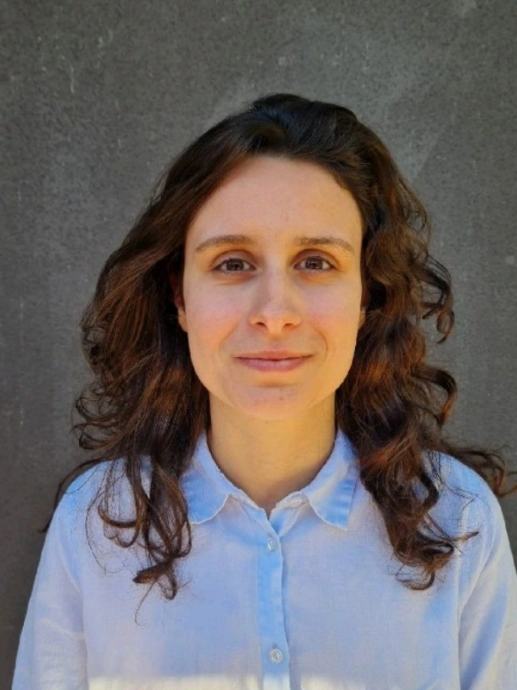
PhD-candidate: Elena López-Contreras González is taking a PhD
in Human Factors for Space at ISAE-SUPAERO
Plasma processes for space applications
Plasma assisted processes have become more and more important in surface treatments applied to different domains. For example, thin metallic films, dielectric layers or hard coatings with functional properties related to the material structure and composition are widely used in different fields of applications. Nowadays, multifunctional coatings are also highly required. For example, sustainable activated filters, protective layer to reduce system ageing, as well as combined superhydrophobic, anti-fouling and resistant coatings are expected in various terrestrial applications. Nanocomposite thin films i.e. coatings of matrixembedded nanoparticles are potential candidates as they are exhibiting multifunctional properties related to the matrix and the nanoparticles and, especially, their concentration, size, shape, and distribution in the coating. Different plasma strategies are developed. This presentation aims to review different plasma assisted technologies to form innovative coatings and their potential impacts for space-based systems with a specific focus on safer-by-design methods.
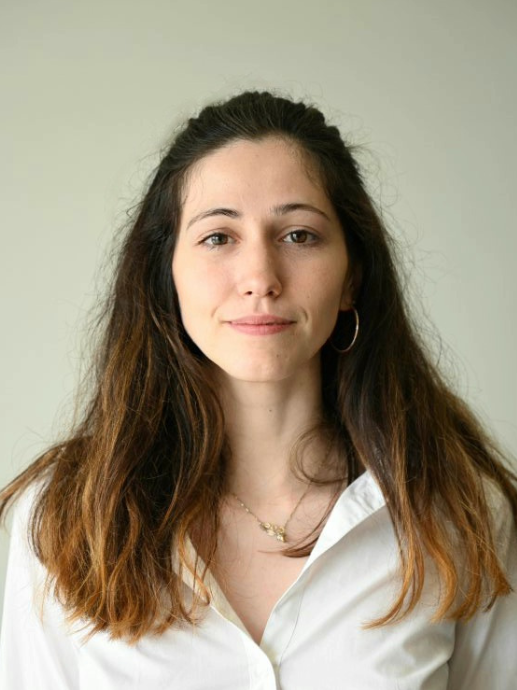
PhD-candidate Veronica Orlandi at the University of Toulouse III - Paul Sabatier for a thesis of the title "Self-healing coatings for the inflatable Moon Habitat"