
Research interests
- Using computation to support epistemic agency and creativity in science learning
- Large language models, and their effects on education
- Computational thinking and computational literacy in science learning
- Applications of natural language processing to educational research literature and data
- Supporting and preparing learning assistants and teaching assistants in STEM
- How students make sense of science concepts
Teaching interests
- Computational literacy and modeling in physics
- Using large language models to improve teaching and learning
- Discussion-rich, collaborative, agentic, and sensemaking-focused teaching
- Preparing learning assistants and teaching assistants
- Integrating educational theory with evidence-based teaching
Background
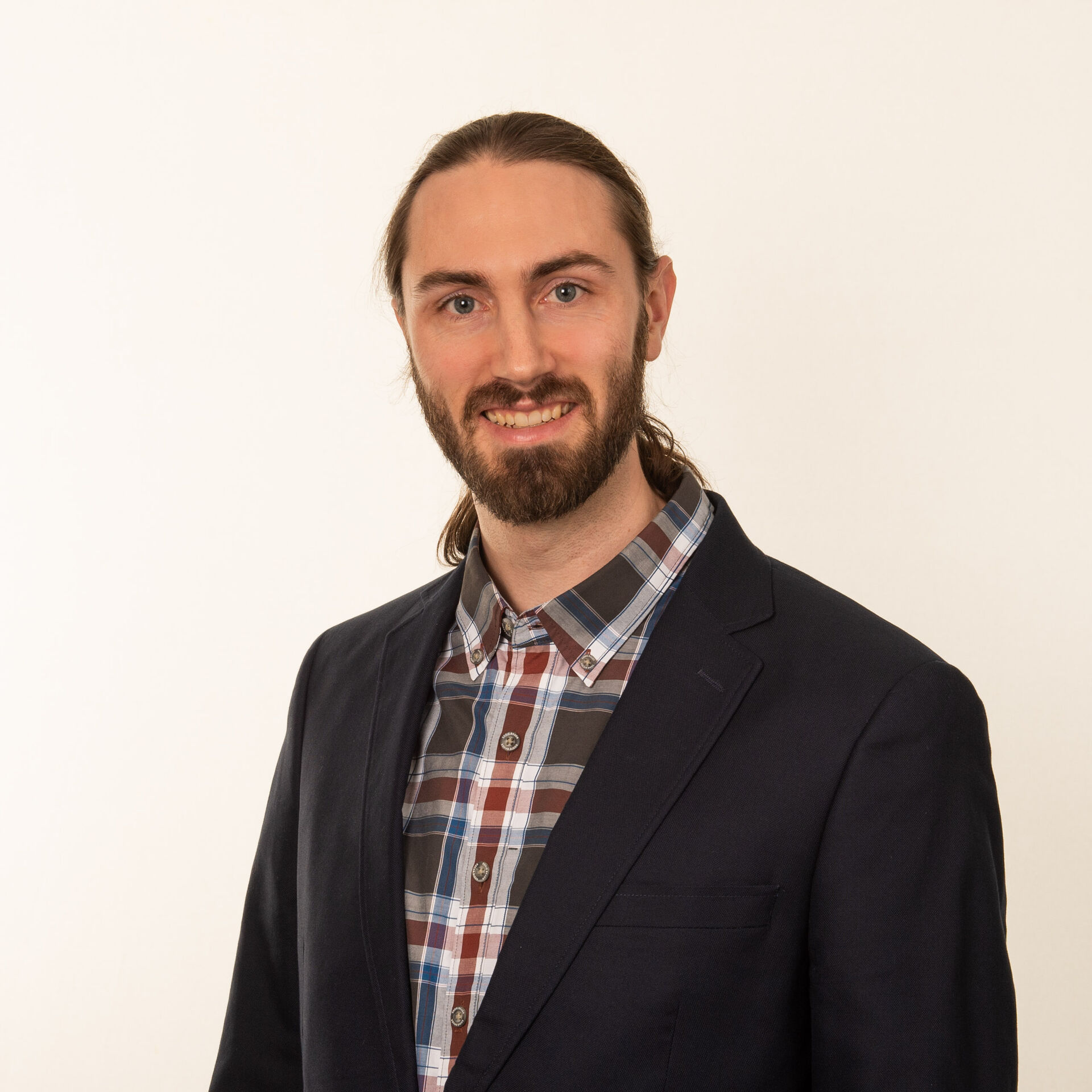
Tor is an associate professor of physics and science education research at the Center for Computing in Science Education. He uses ideas from physics to study how people learn, how machines learn, and how machines can help people learn. His research focuses on how computation can be leveraged to support student creativity and epistemic agency in science learning, how students acquire disciplinary computational literacy, and applications of generative AI to do qualitative research at scale, like literature reviews and survey analysis. Tor holds a PhD in science education research from the University of Wisconsin-Madison, where his dissertation work focused on how undergraduate physics students make sense of abstract or tricky physics concepts, the specific strategies they use, and how instructors can help them in that process. Tor also holds a masters in physics from UW-Madison and a bachelors in physics from St. Olaf College in Northfield, Minnesota.
Outside Interests
In his spare time, Tor enjoys playing and listening to Norwegian folk music (fiddle), and is also an avid runner, skier, woodcarver, and graphic novel enthusiast.