In the Persian Gulf we find many of the world’s largest and most important oil-producing states, often called the Gulf States. Among these are Saudi Arabia, Iraq and Kuwait, as well as Iran, which is ranked as the ninth-largest producer of crude oil. But why is there so much oil in the Persian Gulf?
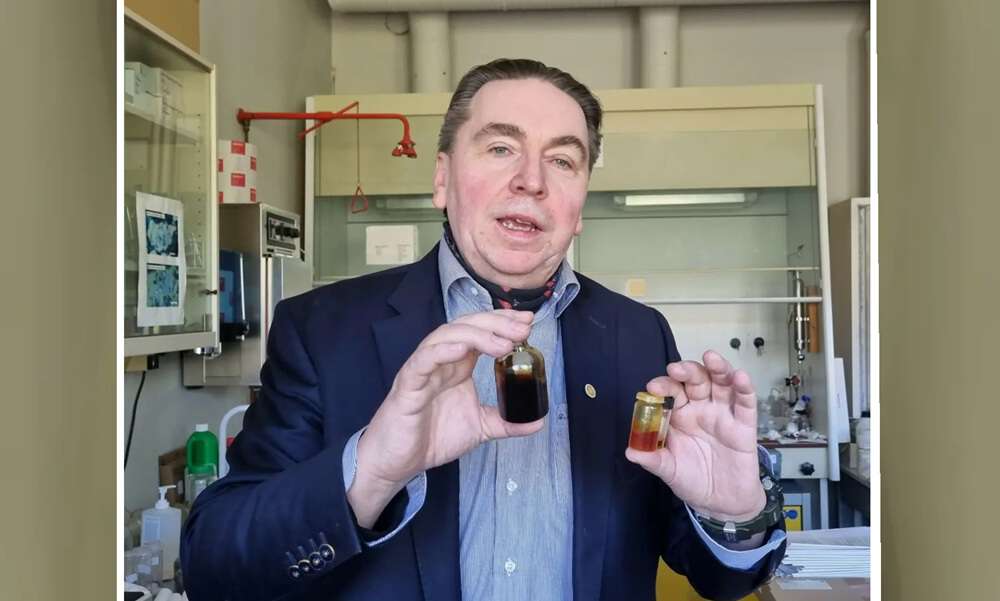
The answer lies in the geology of the area, explains Dag Aril Karlsen, professor of geology at the Department of Geosciences at University of Oslo. The formation process of the large oil deposits in the Persian Gulf, also called the Gulf, is completely different from that of the oil in the North Sea, where continental plates move away from each other.
Around the Persian Gulf, the opposite has happened: the Arabian plate is moving towards the Eurasian plate and has formed the enormous mountain range known as the Zagros Mountains. This mountain range creates the special conditions in the Earth’s crust that allow the oil to form and be preserved.
Read more at sciencenorway.no:
The massive oil reserves of the Persian Gulf can be traced back to these mountains, sciencenorway.no, 17.05.2026