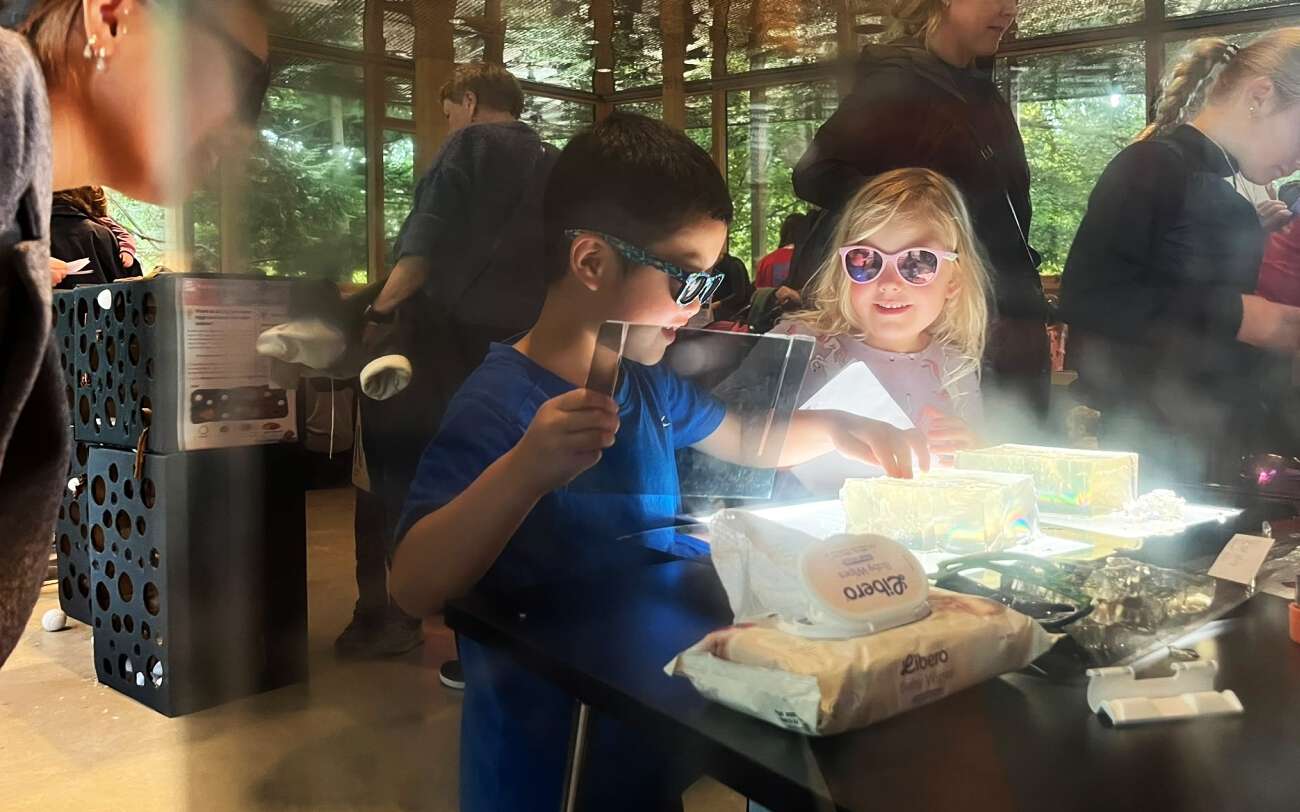
On Saturday, 19 September, a group of geoscience and physics researchers from the interdisciplinary research centre Njord - the Centre for Studies of the Physics of the Earth – and the Centre of Excellence PoreLab at the University of Oslo invited the public to an educational and playful day of geoscience at the Climate House, part of the Natural History Museum at Tøyen in Oslo.
The event, which was part of the 2026 Forskningsdagene research festival, gave children and parents an excellent opportunity to experience science in practice and explore how geoscience research can help us understand - and address - some of the greatest challenges of our time.
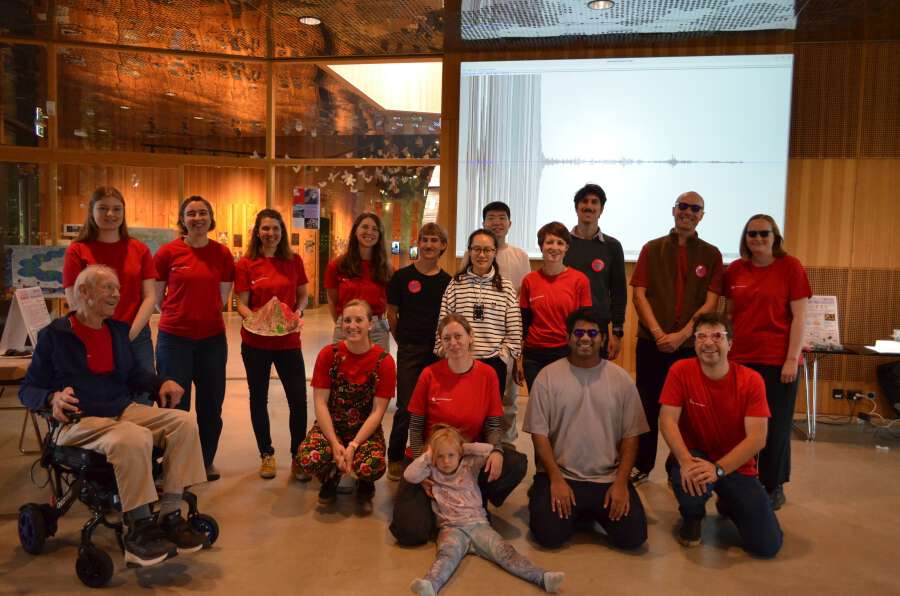
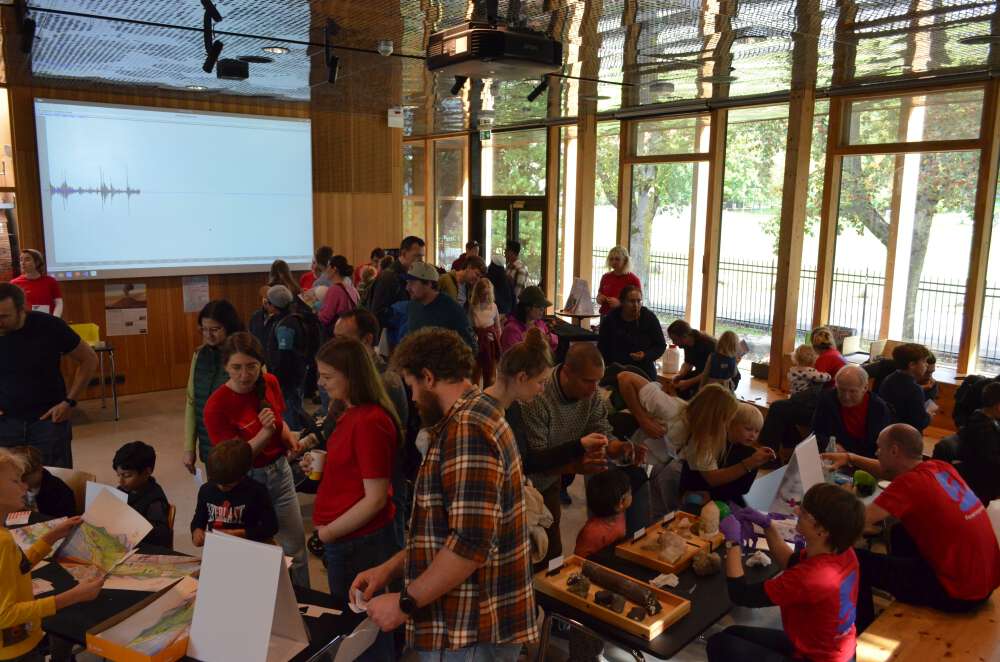
Many people stopped by Trust the Rocks! (in Norwegian Stol på Steinene!) that Saturday. An estimated 150 interested visitors of all ages took part in the activities, while several others dropped in briefly during the three hours the event was open to the public.
Interactive workshops captivated the 3–6-year-olds!
One of the researchers’ goals was to demonstrate the physics behind geological processes and build understanding of - and trust in - geoscience research. This was achieved through an activity trail, where young children and other visitors could explore six workshops and activity stations.
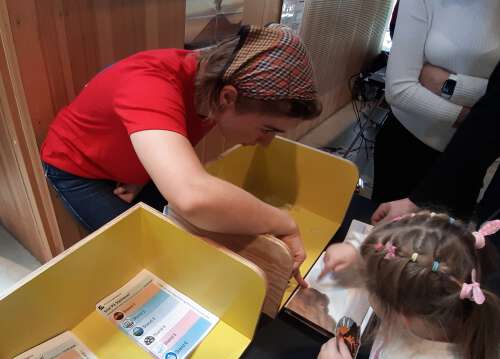
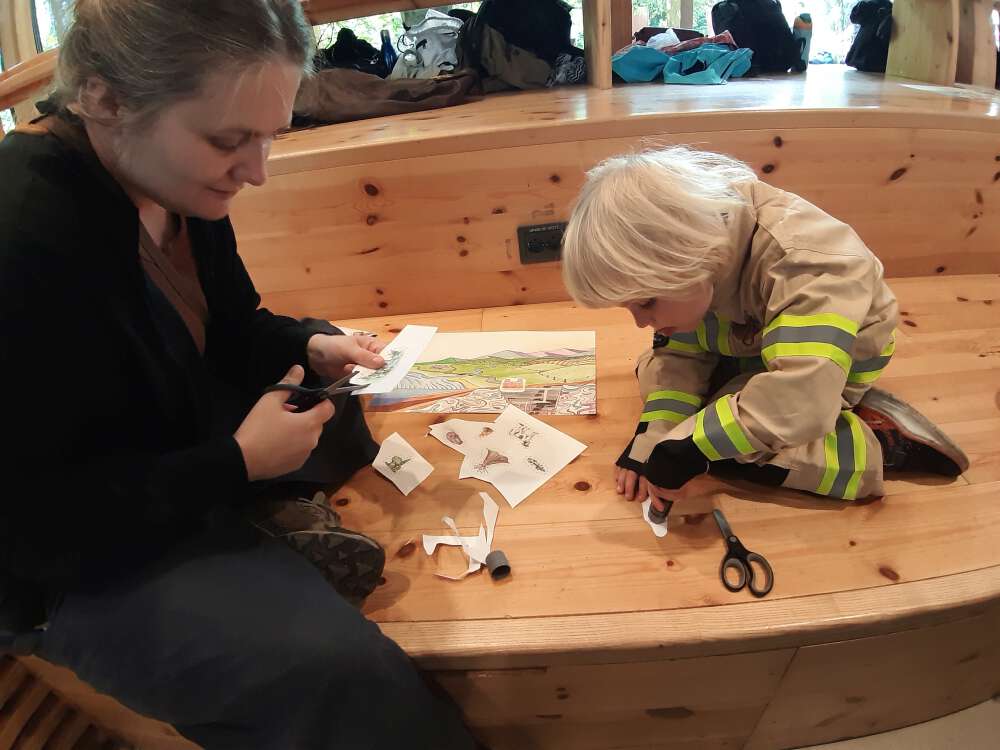
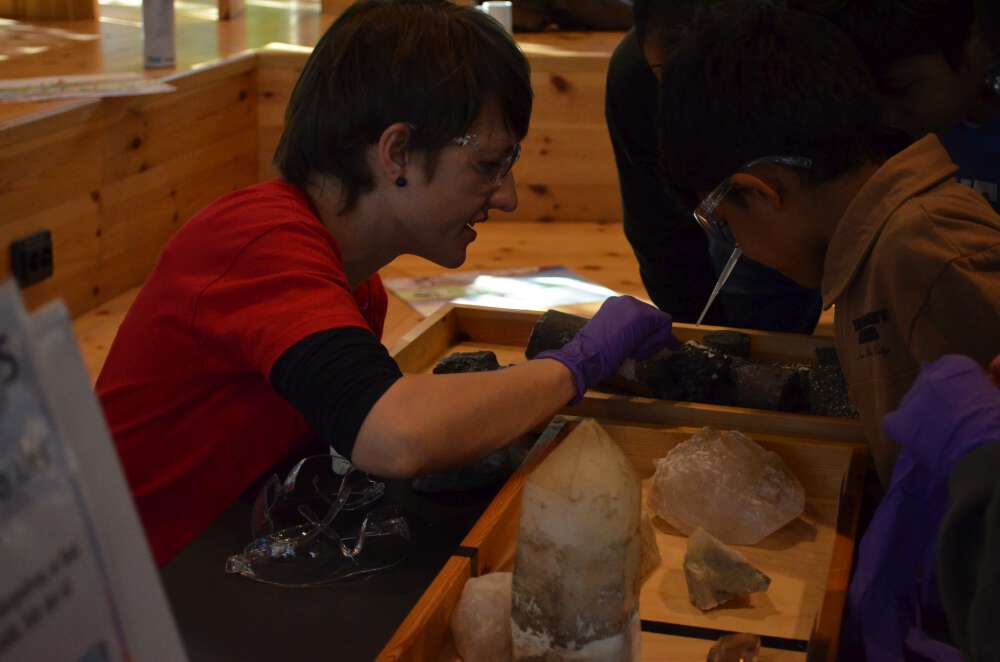
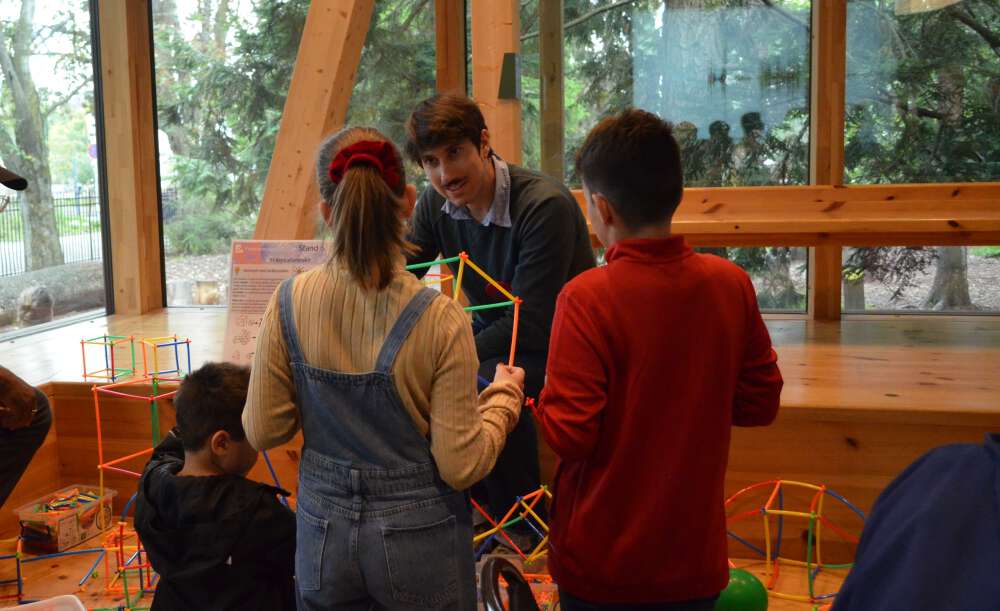
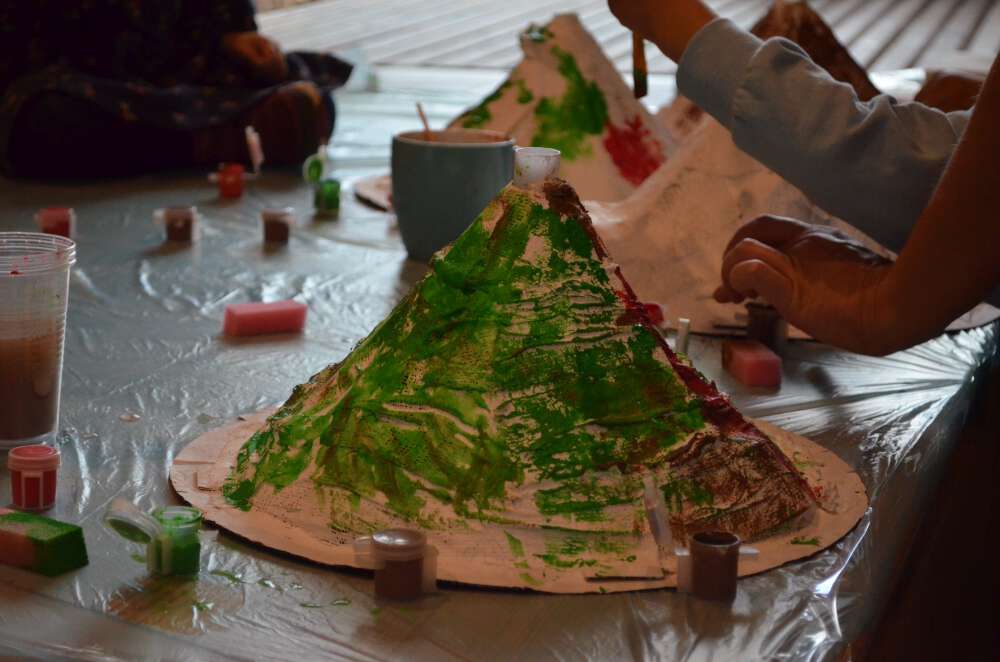
Each workshop or station was staffed by one or more researchers who helped the children complete a task. Those who completed the full activity trail received a small prize, providing an extra motivation to take part.
“I think it was exciting. We had kids between 1 and 10 years old ( I would say most of them between 3 and 6) and everyone could find something for themselves, we had many different activities, some simple games, some interactive experiments, something to draw, something to build, something to touch. So I think they were all very curious and hopefully learned something new”, says Joanna Dziadkowiec, who initiated the event.
Alle the workshop had a geological theme and was staffed by one or more researchers who answered questions and explained the task at the station. In this way, they could bring geoscience closer to the public and build trust in the foundations of geoscience research.
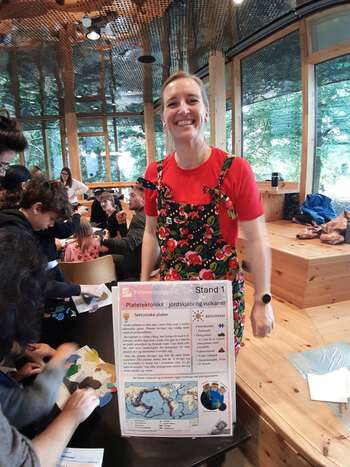
At the workshops, visitors could take part in and explore interactive activities on topics including:
- Giant shape sorter – an activity specially designed for the youngest children, aged 1–3.
- Turn minerals into gas – explore the relationship between minerals and chemical processes.
- Solve tectonic puzzles – learn about tectonic plates and the movements that shape the Earth’s surface.
- Create a mini volcanic eruption – see how volcanic activity can occur.
- Make your own carbon-cycle collage – follow carbon’s path through nature and the atmosphere.
- Measure your very own earthquakes – investigate how researchers record movements in the ground.
- Build your own crystal structures – discover how minerals are structured at the microscopic level.
Visitors also learned more about the carbon cycle, CO₂, and how captured carbon dioxide can be safely stored underground as carbonate minerals.
The day also offered insight into how geoscientists study geohazards such as earthquakes and volcanic eruptions.
Communicating geoscience and the natural sciences
The event was led by Joanna Dziadkowiec, who is normally a researcher at Njord and the Department of Physics. She was supported by a large team of colleagues from Njord, the Department of Geosciences and the Department of Physics. Helle Munthe-Kaas, communications and events coordinator at Njord, also played an important role in organising the event.
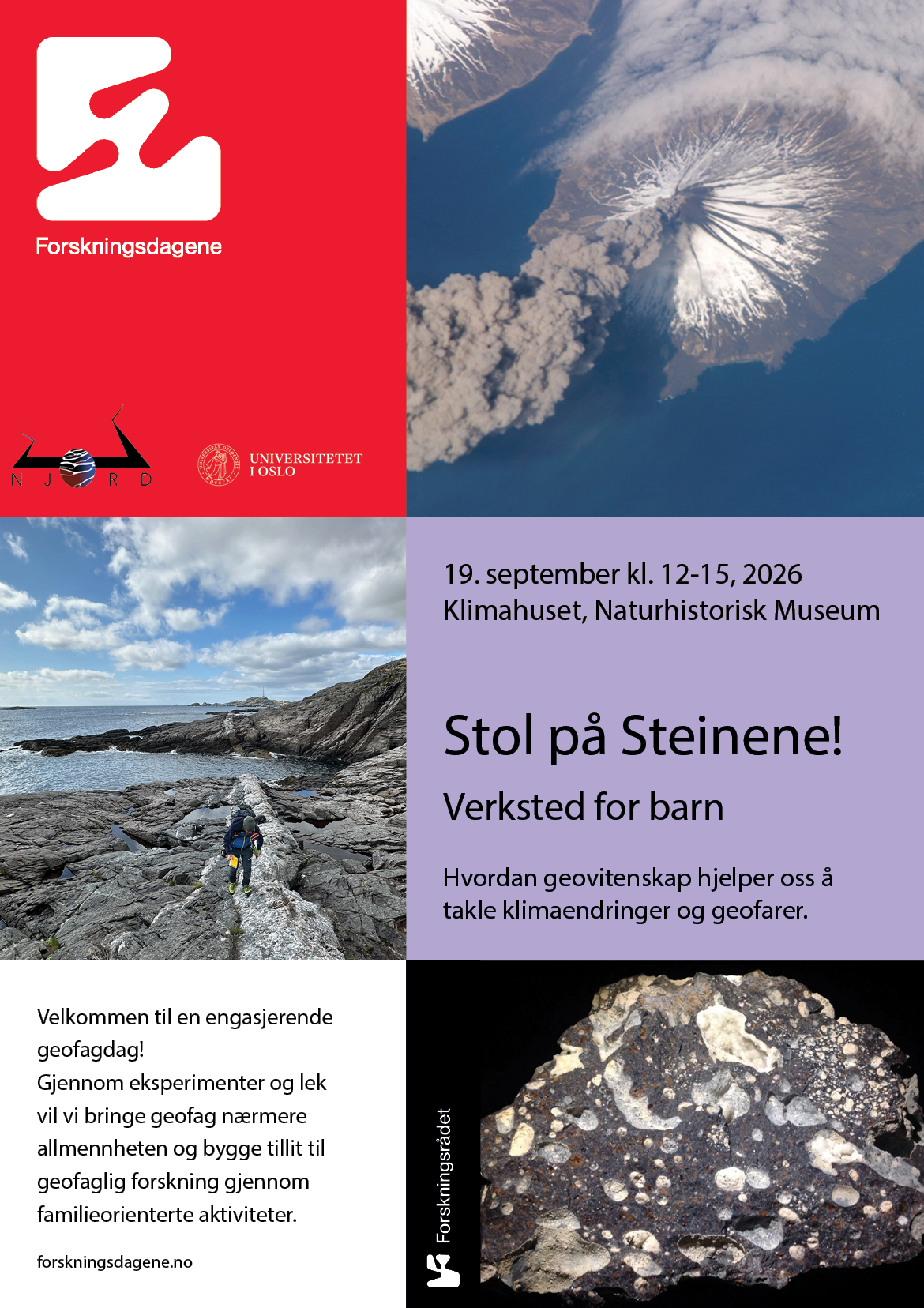
With the event «Stol på steinene!», the researchers aimed to make geoscience more accessible to the general public. Families with children in particular were invited to take an active part, ask questions and discover that rocks, minerals and landscapes can tell important stories about both the Earth’s past and its future.
Many people took part in the event, and Joanna Dziadkowiec estimates that around 150 participants and other visitors stopped by during the three hours of the event.
To organise and perform the event and outreach project, the group applied for funding from the Research Council of Norway and received a total of NOK 26,000 to purchase materials and organise the event.
Read more about the Forskningsdagene 2026 here (in Norwegian):
- Hele Norges forskningsfestival - Forskningsdagene 2026. The festival takes place from 16 September through Sunday, 27 September, organised by the Research Council of Norway.
Other relevant links:
- The Climate House - Natural History Museum, University of Oslo, is an exhibition space with climate change and the environment as a theme.
- Njord - Centre for Studies of the Physics of the Earth is a cross-disciplinary geoscience-physics centre.