The PhD defence and trial lecture will be held in Auditorium 1 in The Geology Building. In some cases, it will be possible to attend the trial lecture and dissertation digitally, in that case a link to Zoom will be posted.
Trial lecture
Monday 12 January, 10:15-11:00, Aud 1, The Geology Building:
Vanishing Ice: Understanding Pan-Arctic Cryosphere Change
Conferral summary
In Mongolian we find a landscape where permafrost, ecosystems and a semi-nomadic lifestyle are deeply entangled. In this dissertation, Robin B. Zweigel has studied these systems through field observations and numerical modelling, exploring how these fragile systems respond to disturbances such as intense grazing and forest dieback. A main finding is that a reduction of the vegetation canopy gives greater seasonal ground temperature variations and deeper annual thaw depths, but do not necessarily give a irreversible loss of permafrost.
Main research findings
Popular scientific article about Zweigel’s dissertation:
Ecosystem controls on ground temperatures in Mongolia - Field observations and numerical modelling
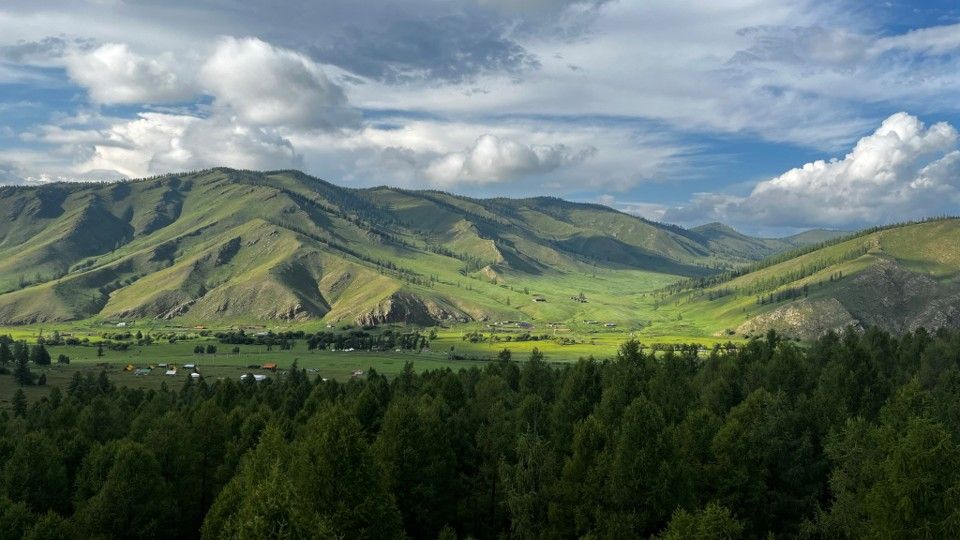
In Mongolia’s forest-steppe, with an average height of 1500 meters above sea level, permafrost and forests exist close to their climatic limits, and changes in vegetation cover – such as livestock grazing by and forest loss - are putting fragile ecosystems under additional pressure. This doctoral work by Robin B. Zweigel show that when forests die back or grasslands are heavily grazed, the loss of vegetation and changes in snow cover impacts how heat and water moves between the air and the ground, ultimately altering ground temperatures and local water cycle.
To improve the understanding of these relationships, the thesis incorporated vegetation and terrain effects into a permafrost model, which showed that north-facing slopes are more resilient to permafrost loss, but that removing vegetation or organic layers increases ground temperatures in summer and leads to a deepening of the active layer. The findings in this doctoral work highlight how land use and ecosystem changes directly affect ground thermal conditions and ultimately permafrost stability. It also provides new tools that can help design sustainable land management that protects both ecosystems and traditional livelihoods in Mongolia and similar cold regions.
Photo and other information:
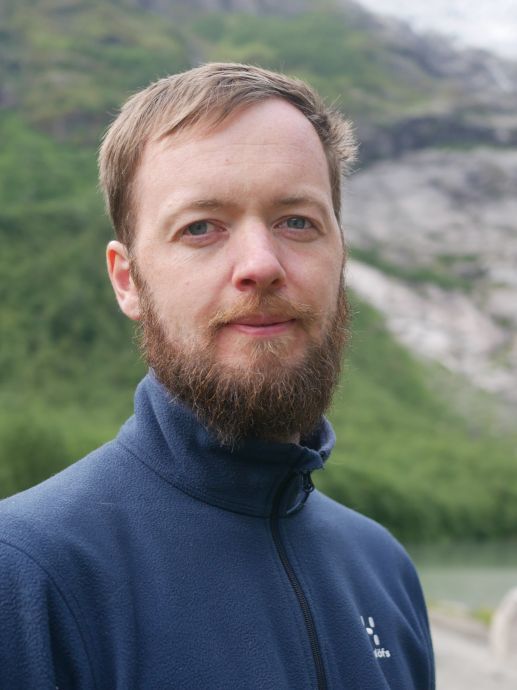
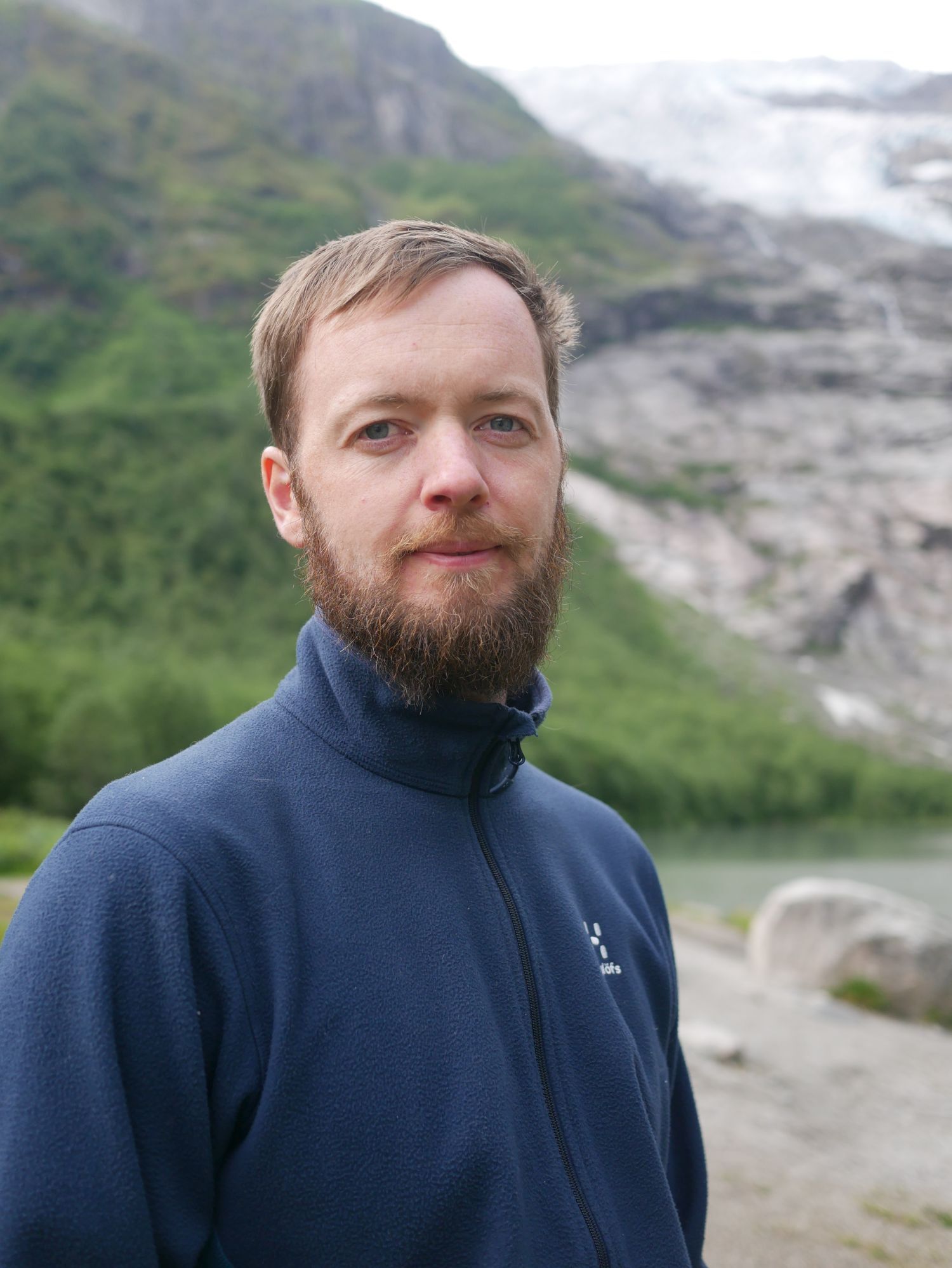
Press photo: Robin Benjamin Zweigel, portrait; 1500px. Photo: Private
Other photo material: Photo with description and credit as specified in the article above, size 960px.