Disputas og prøveforelesning er i Auditorium 1 i Geologibygningen. I noen tilfeller vil prøveforelesning og disputas være mulig å delta på digitalt, i så fall blir det lagt ut en lenke til Zoom.
Prøveforelesning
Mandag 12 januar, 10:15-11:00, Aud 1, Geologibygningen:
Vanishing Ice: Understanding Pan-Arctic Cryosphere Change
Kreeringssammendrag
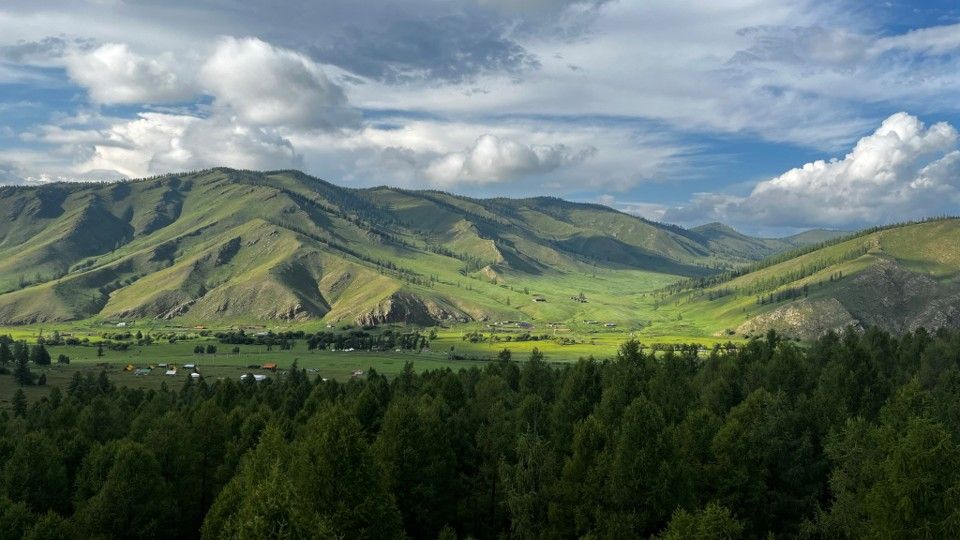
I Mongolia finner vi et landskap hvor permafrost og økosystemer i samspill skaper vilkårene for en nomadisk livstil. I denne avhandlingen har Robin B. Zweigel brukt numeriske modeller og feltmålinger til å utforske hvordan slike sårbare økosystemer på permafrost påvirkes av menneskeskapte og naturlige forstyrrelser av vegetasjonsdekket. Hovedfunnet er at intensivt husdyrhold og skogsdød gir et dypere tinedyp og en markant økning i sommertemperaturer, men ikke nødvendigvis leder til et ugjenkallelig tap av permafrost.
Hovedfunn
Populærvitenskapelig artikkel om Zweigels avhandling:
Ecosystem controls on ground temperatures in Mongolia - Field observations and numerical modelling
In Mongolia’s forest-steppe, with an average height of 1500 meters above sea level, permafrost and forests exist close to their climatic limits, and changes in vegetation cover – such as livestock grazing by and forest loss - are putting fragile ecosystems under additional pressure. This doctoral work by Robin B. Zweigel show that when forests die back or grasslands are heavily grazed, the loss of vegetation and changes in snow cover impacts how heat and water moves between the air and the ground, ultimately altering ground temperatures and local water cycle.
To improve the understanding of these relationships, the thesis incorporated vegetation and terrain effects into a permafrost model, which showed that north-facing slopes are more resilient to permafrost loss, but that removing vegetation or organic layers increases ground temperatures in summer and leads to a deepening of the active layer. The findings in this doctoral work highlight how land use and ecosystem changes directly affect ground thermal conditions and ultimately permafrost stability. It also provides new tools that can help design sustainable land management that protects both ecosystems and traditional livelihoods in Mongolia and similar cold regions.
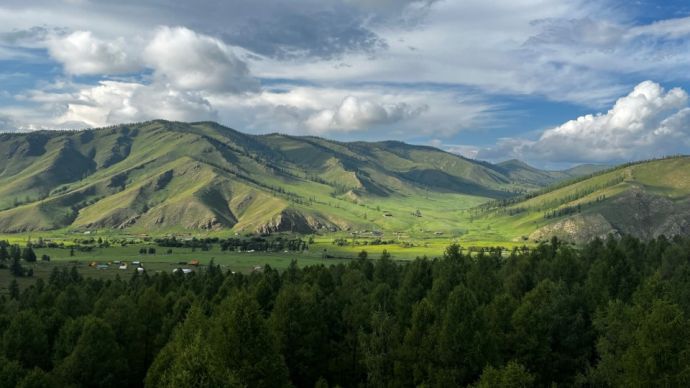
Foto og annen informasjon:
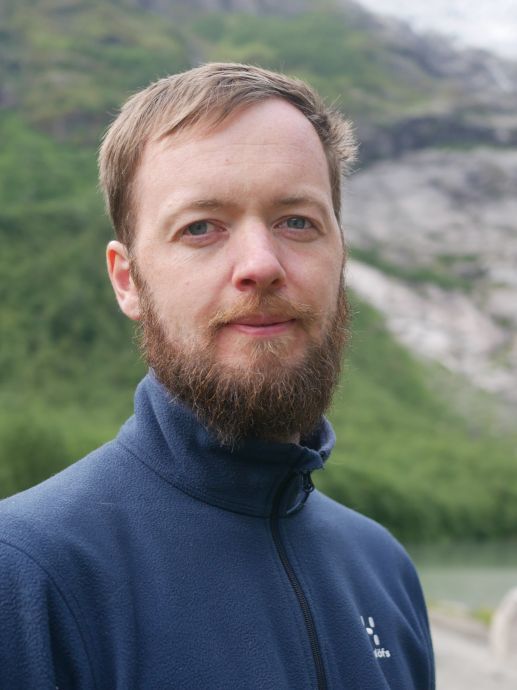
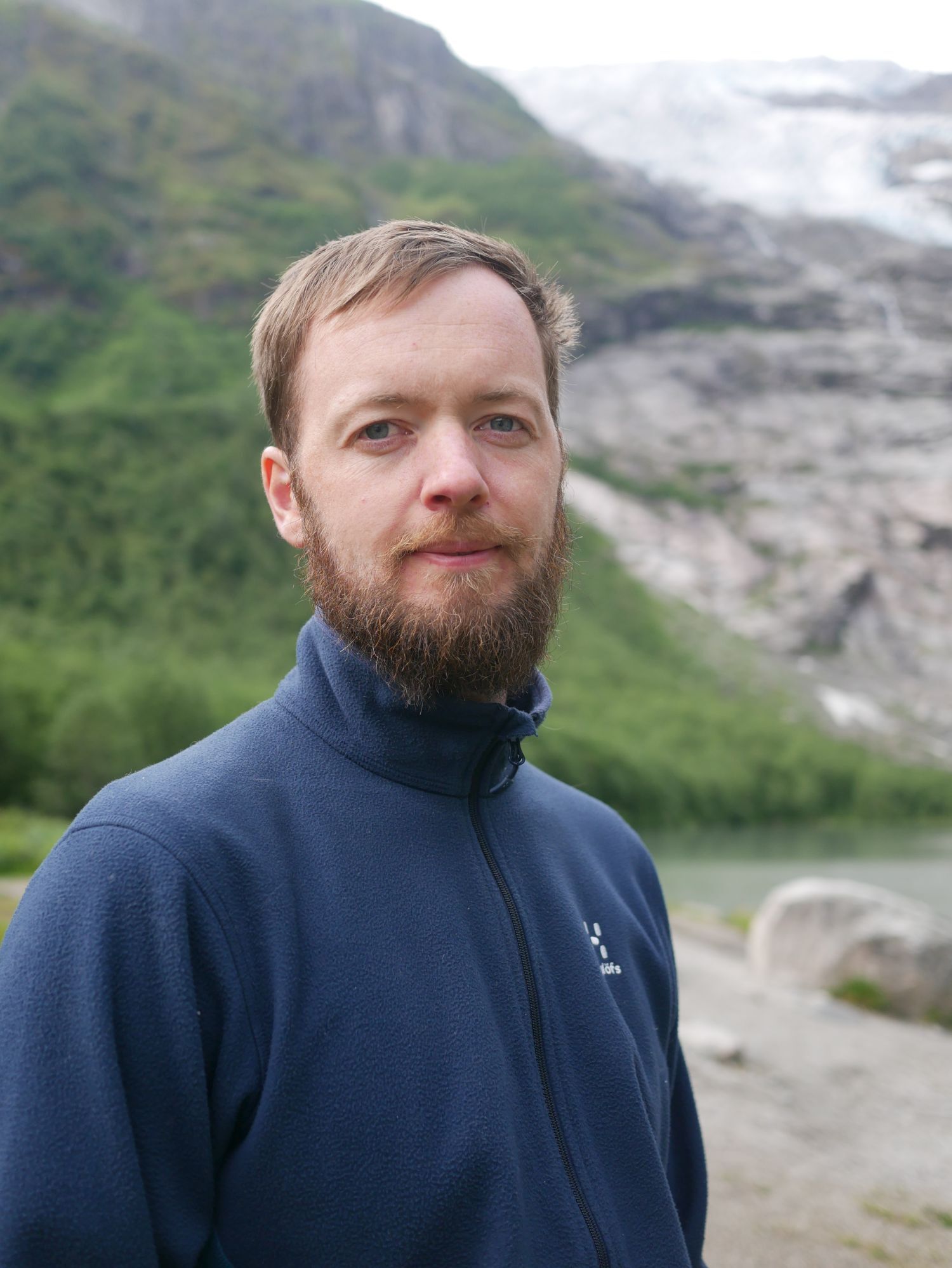
Pressefoto: Robin Benjamin Zweigel, portrett; 1500px. Foto: Privat
Annet bildemateriale: Foto med beskrivelse og kreditering som spesifisert i artikkelen over, størrelse 960px.