Delta på prøveforelesning - 11. september kl. 10:15 (rom 402, Institutt for teknologisystemer)
"Profitability of combining food and PV-energy production, addressing systems and structural aspects".
Kreeringssammendrag
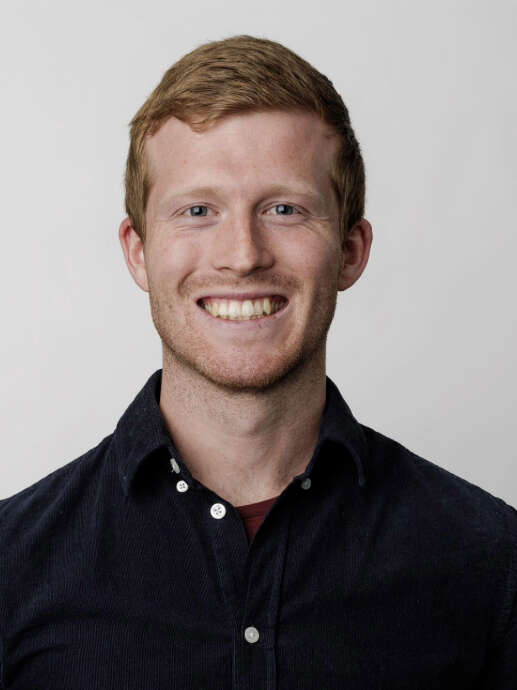
Solkraft og jordbruk krever begge sollys og store arealer, noe som ofte fører til konkurranse. I sin avhandling har Erlend Hustad Honningdalsnes brukt simuleringer og satellittanalyse til å utforske hvordan de to kan sameksistere ved at matvekster dyrkes mellom vertikale solcellerader. Funnene hans tyder på at eksisterende anlegg av denne typen bevarer jordbruksproduktiviteten samtidig som de produserer strøm, og han viser hvordan panelenes evne til å bremse vinden kan utnyttes slik at avlingene kan bli høyere enn i tradisjonelt jordbruk.
Hovedfunn
Solar power is the world's fastest growing energy source, but it requires a lot of space. Agricultural land is vast and often well suited for solar panels, so the two sometimes compete for the same areas. People have started combining them on the same land, but many such concepts sacrifice some food production for electricity. In regions like Northern Europe, where farmland can be scarce and protected, even small agricultural losses may be unacceptable.
This thesis studies vertical rows of solar panels with crops in between, using computer simulations and satellites. The satellite analysis provides new insight into how existing systems worldwide perform, with results indicating that agricultural productivity is well maintained alongside energy production.
The simulations show that the reduced wind speed between the rows can more than make up for the negative effect of shading on crops. Such dual-use systems, when properly designed, may therefore achieve even higher yields than conventional farming. To support such design work, the thesis shows that the simulations can be run fast enough for computers to automatically find optimal designs, and suggests further improvements.
Leder av disputas
Prof., PhD Paal Engelstad, Universitetet i Oslo
Bedømmelseskomité
1. Opponent: Senior forsker, PhD, Alessandra Scognamiglio, Agenzia nazionale per le nuove tecnologie, l'energia e lo sviluppo economico sostenibile (ENEA)
2. Opponent: Professor, PhD, Jan Capelle, Katholieke Universiteit (KU) Leuven
Komitéleder: Prof., PhD, Josef Noll, Universitetet i Oslo
Veiledere
Hovedveileder: Senior forsker, PhD, Heine Nygard Riise , IFE
Medveileder: Prof, PhD, Erik Stensrud Marstein, Universitetet i Oslo
Kontaktinformasjon, kandid
Epost: Erlend.honningdalsnes@ik.me
Mobiltelefon +47 922 24 606
For mer informasjon
PhD-koordinator: Yvonne Baade