Who is Reflect Orbital, and what is their proposal?
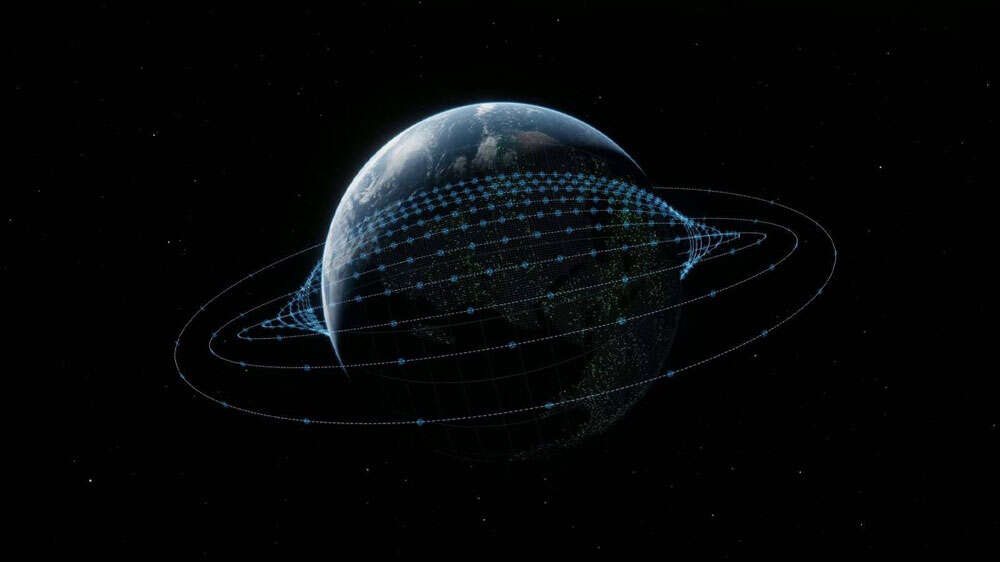
Reflect Orbital (external link) is an American private space company that aims to launch satellites into orbit to reflect sunlight to make clean, abundant energy available on demand.
Public discussion has centred on scenarios of thousands to tens of thousands of such mirrors; figures like 10,000–50,000 reflecting satellites have been widely mentioned, and “50,000 mirrors” circulates as a worst‑case example. The company says customers have expressed interest in using redirected light for many purposes and that it will coordinate with ground sites by creating “exclusion zones” around observatories.
Scale matters
One or two experimental satellites are very different from a global constellation. Scientists highlight several linked problems, such as:
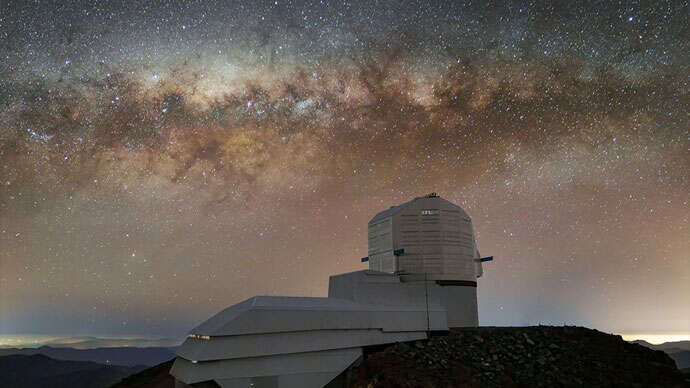
- Impact on asteroid-finding technology, such as the Vera C. Rubin Observatory: Facilities like the Vera C. Rubin Observatory — designed to monitor roughly 90% of potentially hazardous near‑Earth asteroids and to carry out wide, time‑sensitive surveys — are particularly vulnerable to transient streaks and loss of sensitivity.
- Radio and multiwavelength effects: Reflections and greater orbital traffic can further complicate radio astronomy and space-based observations across other wavelengths.
- Collision risk and debris: A constellation of 10,000–50,000 satellites would substantially increase collision probability in low Earth orbit (LEO), producing more debris and threatening other missions.
- Ecological and human impacts: Artificially bright nights can disrupt wildlife and human circadian rhythms. Disturbances to polar night conditions may even cause outsized ecological consequences for species adapted to long periods of darkness.
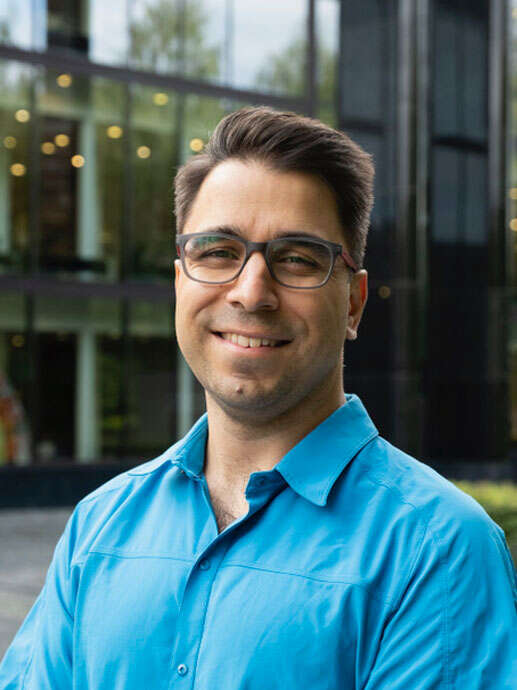
“These mirrors can significantly affect both optical telescopes and radio telescopes, both from the ground and from space. They pose an existential threat to all astronomy,” says Tiago Pereira, Professor at our institute.
Reflect Orbital's argument
Reflect Orbital argues that opposition is largely due to misunderstanding and that careful coordination can mitigate problems. The company claims it can “create and maintain exclusion zones covering astronomical observation sites.” They emphasise potential societal benefits — from supplementary lighting in disasters to agricultural uses — and highlight interest from hundreds of thousands of prospective clients.
Expert perspective and nuance
Scientists urge caution and nuance. Juha‑Pekka Vierinen, Professor of Space Physics at UiT, acknowledges that limited, carefully planned demonstrations might be feasible, but says: “It’s easy to justify one or two space mirrors from a technological development perspective, but a satellite constellation with 10,000 to 50,000 such mirrors is a completely different matter.” The main concern is systemic: when many reflective satellites share LEO, mitigation becomes much harder, and the aggregate risk to observations and orbital safety rises rapidly.
Further reading
- Original reporting: Solspeil i verdensrommet godkjent i USA (NRK; Norwegian)