Abstract
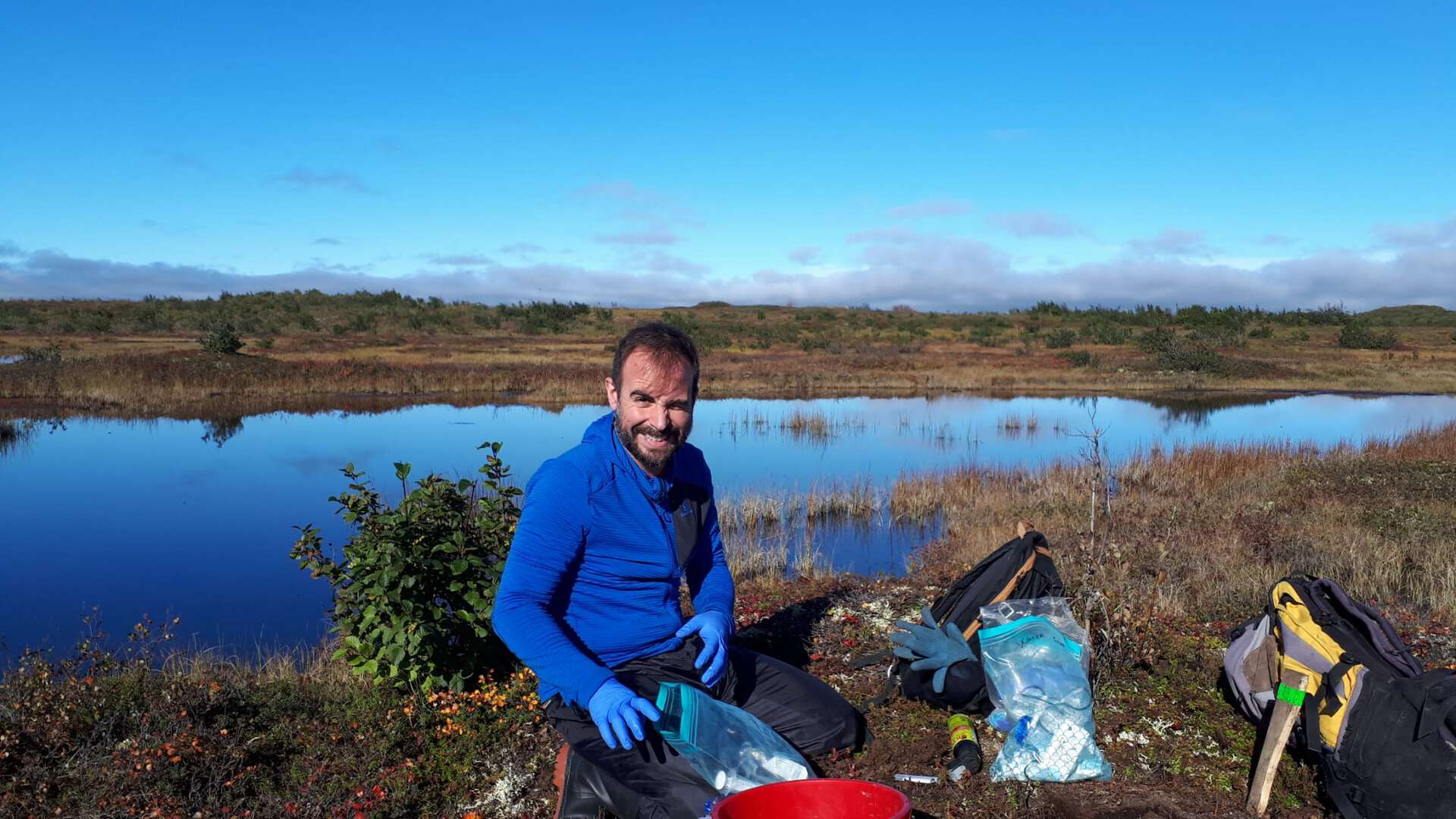
Microbial communities are key drivers of greenhouse gas (GHG) production and consumption in lacustrine ecosystems, yet their role remains insufficiently understood in the context of rapid environmental change. In this talk, Valiente will share insights from ongoing projects investigating how microbial metabolism regulates carbon and nitrogen transformations, and ultimately GHG emissions, in lakes and ponds across cold and saline environments. Drawing on fieldwork from high-latitude regions (e.g., Svalbard, Northwest Territories) to Mediterranean climates (e.g., Iberian Peninsula), Valiente will examine how warming, permafrost thaw, and increasing aridity shape microbial community structure, functional diversity, and biogeochemical processes. By integrating microbial genomics with measurements of CO₂, CH₄, and N₂O transformation rates, this research advances a mechanistic understanding of how environmental change modulates microbial processes and their feedbacks to the global carbon and nitrogen cycles.