International Collaboration
A study recently published in Nature Climate Change shows that boreal forests, also known as Taiga, play a much larger role in regulating Earth's climate than previously recognised. The study was a collaborative international effort, led by CBA member Simone Stunzi at Humboldt-Universität zu Berlin, with contributions from CBA co-leader Sebastian Westermann at the University of Oslo, as well as several other contributors from Alfred Wegener Institute (Potsdam) and Vrije Universiteit Amsterdam.
Taiga Forests Keep Carbon Stored in Permafrost
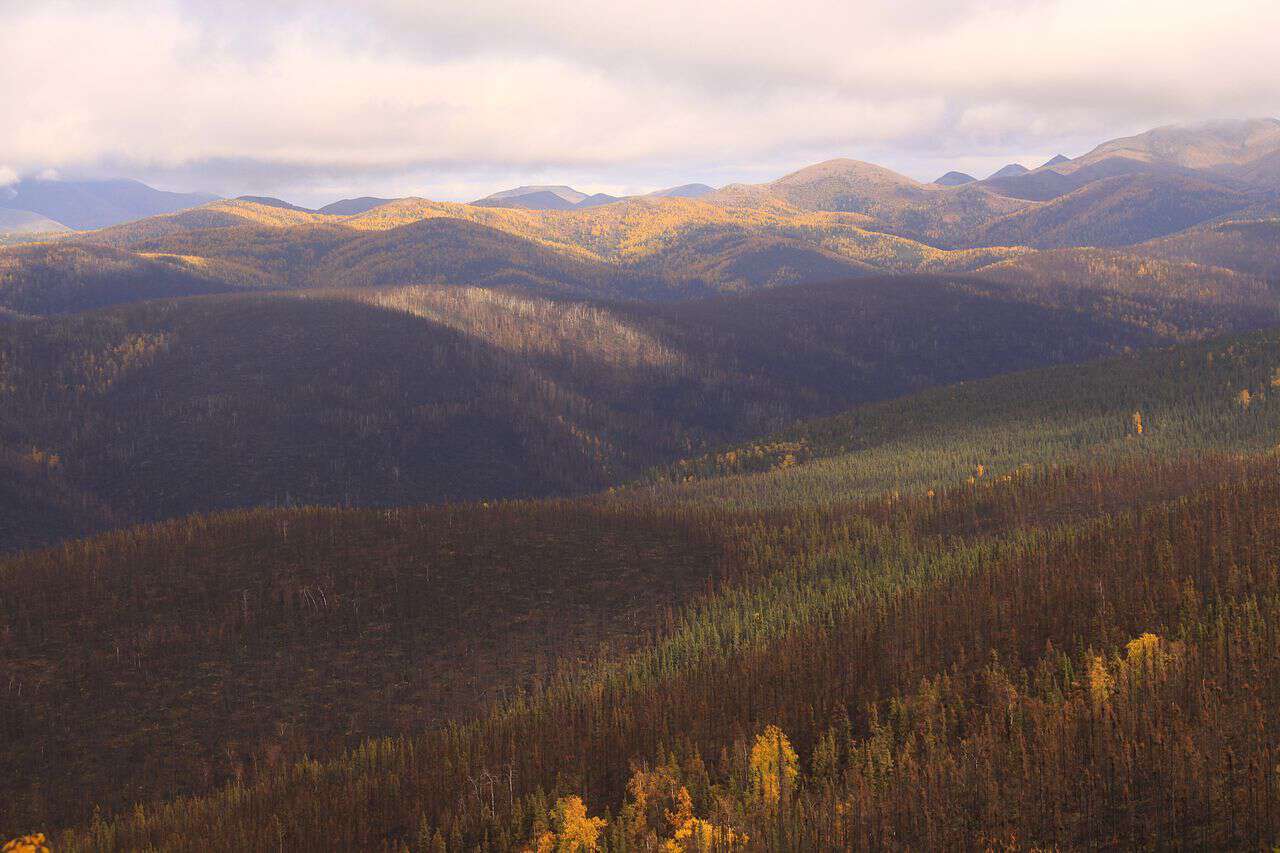
The taiga stretches from Alaska across Canada and Scandinavia to Siberia. The study demonstrates that the forest canopy helps insulate permafrost, reducing how deeply the ground thaws each summer. This cooling effect helps keep large amounts of carbon locked away in frozen soils across the northern boreal forest.
Using satellite observations, geospatial datasets and thermal modelling, the research team estimated that forest canopies currently help preserve around 59 petagrams of carbon in frozen soils. Without this insulating effect, much of that carbon could gradually thaw and become available for microbial decomposition, leading to increased greenhouse gas emissions over time.
Protecting Boreal Forests Is Essential for the Climate
Until now, the climate importance of boreal forests has largely been measured by the carbon stored in the trees themselves. The new study shows that the forests also protect a much larger underground carbon reservoir by shielding permafrost from warming.
The researchers also found that forests reduce seasonal thaw depth by around one metre on average, helping stabilise permafrost landscapes and limiting thermokarst—the ground collapse that occurs when ice-rich permafrost thaws.
The findings highlight that conserving boreal forests protects not only the carbon stored in forest biomass, but also the much larger carbon reserves held in permafrost soils, reinforcing the importance of these ecosystems in the global climate system.