Published
Apr. 27, 2023 11:05 AM
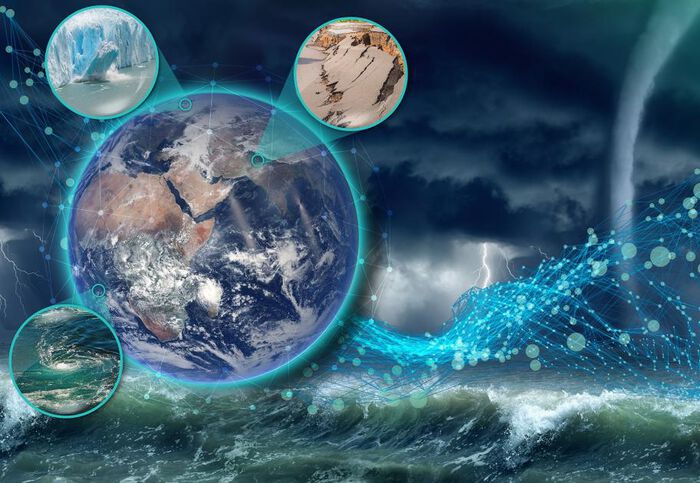
Permafrost thaws and can result in unstable ground conditions. This can lead to collapsing industrial plants and environmental toxins leaking into vulnerable nature.
Permafrost thaws and can result in unstable ground conditions. This can lead to collapsing industrial plants and environmental toxins leaking into vulnerable nature.
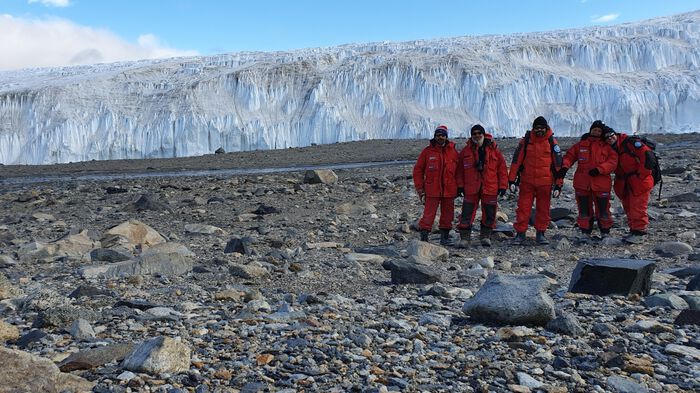
The peri-coastal areas of Antarctica, the largest ice-free area of the Antarctic continent where atmospheric conditions have generated one of the most extreme environments on the planet, are undergoing degassing from the permafrost.
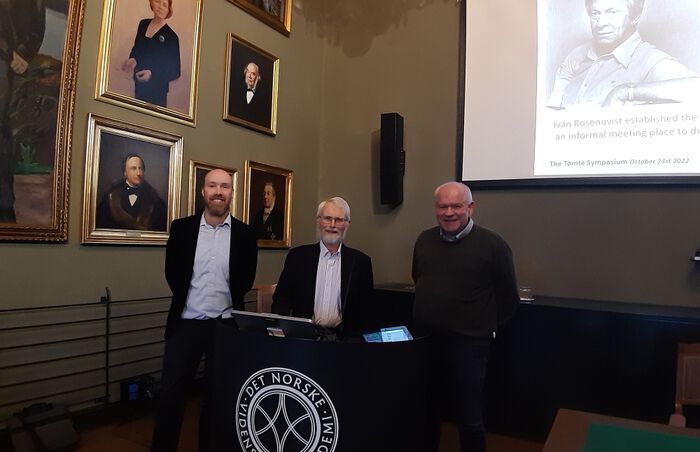
The Tømte Symposium had an important topic on the agenda this year; ‘Quick clays – geological constraints and occurences'. The symposium was a tribute to the scientist Ivan Rosenqvist.
ESA has selected the satellite concept they will use in their new Earth observation mission. Professor of Geomatics Andreas Kääb is in the scientific team engaged on the task for ESA's tenth Earth Explorer mission.
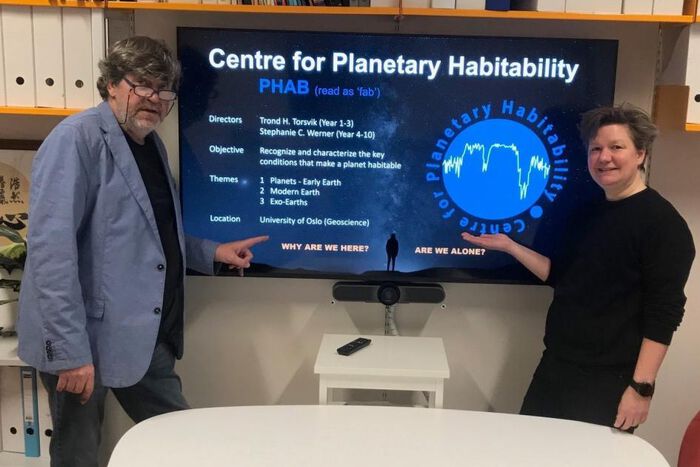
Today came the news from the Research Council of Norway about the allocation of grants to new Norwegian centres of excellences (SFF). One of the SFF-centres goes to our Professors Trond Helge Torsvik and Stephanie Werner and to the centre named; 'Center for Planetary Habitability'. Fantastic and great news!
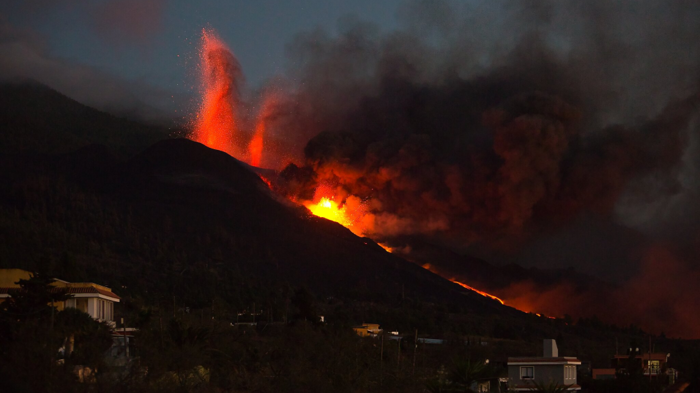
How dangerous is it, how long will it last, and what happens if you go near liquid lava? Here, UiO researcher and volcano expert Olivier Galland writes about everything you need to know about the volcanic eruption on La Palma on the Spanish Canary Islands.
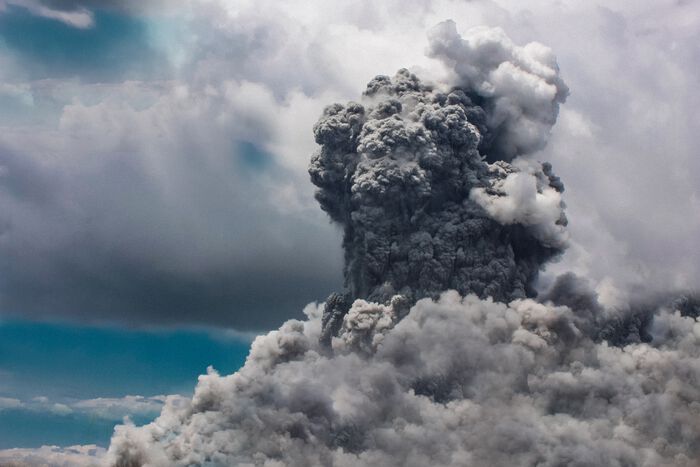
Volcanic CO2 triggered the Permian extinction 252 million years ago. “This is highly relevant to present-day climate change,” professor says.
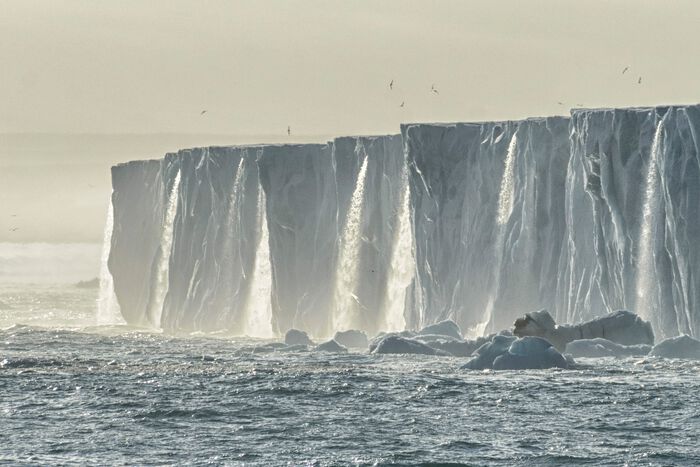
That is, if we meet the Paris Agreement target of limiting warming to 1.5 degrees Celsius. “Human action matters”, says Professor Regine Hock.
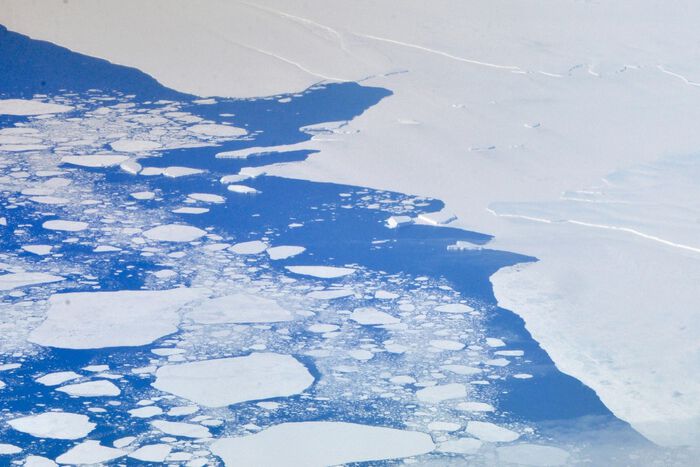
Groundbreaking study confirms that glaciers are becoming thinner. The trend is also about to turn for the few glaciers that were still growing.
With funding from ERC, Francois Renard hopes to get closer to solving one of the major subjects of the geosciences: How do we predict earthquakes?