Biological clocks and light biology
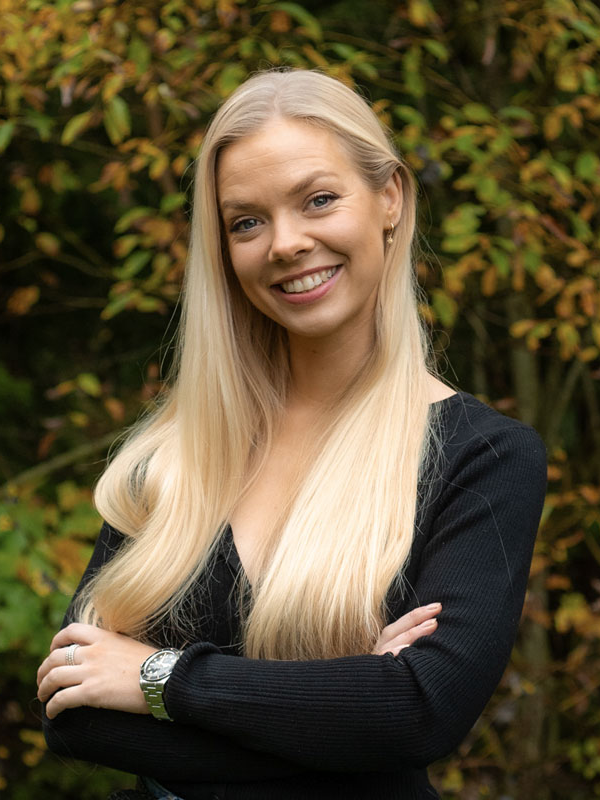
Inga Angelica Frøland Steindal studies light biology, circadian rhythms, and seasonal biology. The circadian clock regulates various processes in the body throughout the day, such as sleep and hormone production. This internal timer helps organisms adapt to the fluctuations between light and dark, making them better equipped for survival.
Inga is particularly interested in animals that live in darkness and do not utilize an internal clock, such as deep-sea fish and cave fish. By examining how these animals have adapted to their unique environments, she can gain insights into how our own biology functions. In recent years, she has also explored how light influences cellular processes, focusing on the role of moonlight in coral spawning. After moving back to Norway, she has also begun researching seasonal biology in cod.
- Most researchers who earned their degrees around the same time as I did have "grown up" in a system marked by underfunding in both research and the university sector. This became clear to me nearly 10 years ago when I was at a PhD interview, and the committee stated that I was more likely to win an Olympic medal than to secure a permanent position at a university, Inga says.
Through her membership in The Young Academy of Norway, she aims to advocate for increased investments in research and to develop sustainable and predictable funding models. This includes exploring greater collaboration with industry, philanthropy, and the establishment of a research fund.
One of ten new members in the Academy
Inga Angelica Frøland Steindal is one of the ten new members being accepted into The Young Academy of Norway in 2025. The members are selected through an open application process aimed at recruiting younger researchers from a diverse range of disciplines, job categories, regions, institutions, and backgrounds. This year, The Young Academy of Norway received 88 applications, which is a record number in the academy's history. The new members will be part of the Academy from 2025 to 2029.
- We received a very large number of excellent applications this year, and we are proud and pleased to welcome ten new members to The Young Academy of Norway. The new members are talented researchers from various fields, and we look forward to all they will contribute to the Academy in the coming years, says leader Guro N. Fløgstad and deputy leader Bjørn H. Holte