Erik Selander from Lund University, who is the opponent to Even Garvang's defense will give an talk on the chemical ecology in plankton and the implications for the structure and functioning of the marine ecosystem.
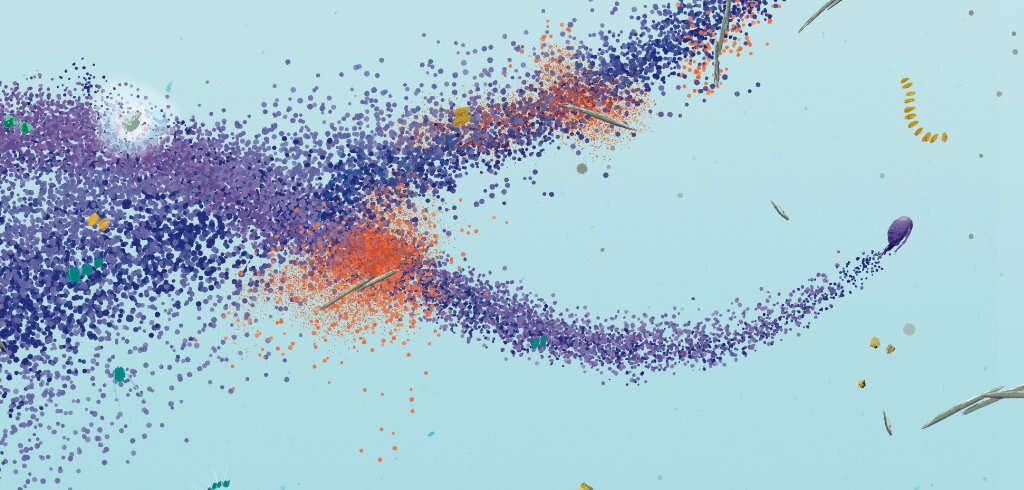
Abstract: Fear of predation may rival the effect of actual predation on food web interactions and structure in many ecosystems. The mechanism and magnitude of nonconsumptive predator effects in unicellular-dominated food webs such as marine plankton, however, remains poorly understood. Here we explore general chemically induced predator effects in marine plankton. Copepods, the most abundant zooplankton in the oceans, imprint seawater with unique polar lipids—copepodamides—which trigger toxin production, bioluminescence, morphological, and behavioral changes in prey organisms. I will summarize what we have learnt about the molecular mechanism of predator detection, which seems to be mediated by G-protein coupled receptor proteins, as well as how inducible defenses affect fitness, population dynamics, and ultimately large-scale phenomena such as harmful algal bloom formation and carbon export. Finally we will explore the possibility to eavesdrop on the chemical cross talk between predator and prey in the plankton to improve precision and lead time in harmful algal bloom forecasting.