Publisert
16. mars 2021 14:30
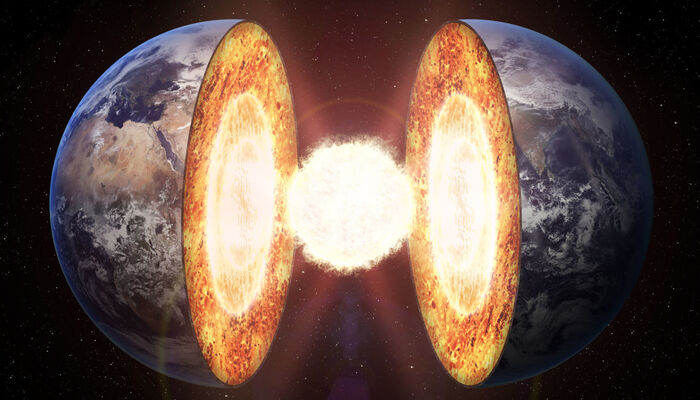
Differences in heat loss on Earth may have an impact on how the tectonic plates are moving, according to a new study.
Differences in heat loss on Earth may have an impact on how the tectonic plates are moving, according to a new study.
Researchers have zoomed in on Greenland to see how much of the ice cap will melt by the year 2100. The answer: More than previously thought.
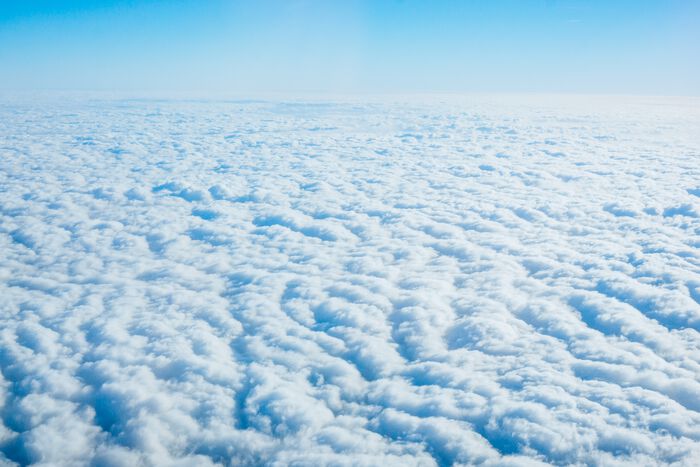
As the ice in the clouds melts into droplets, they reflect more sunlight. But in the end there is no more ice left to melt.
Satellite and tracking data can help provide a safer climbing route up the dangerous Khumbu Icefall of the world's highest mountain.
When Los Chocoyos in Guatemala erupted 84,000 years ago, emissions of sulfur and chlorine may have affected the climate for decades.
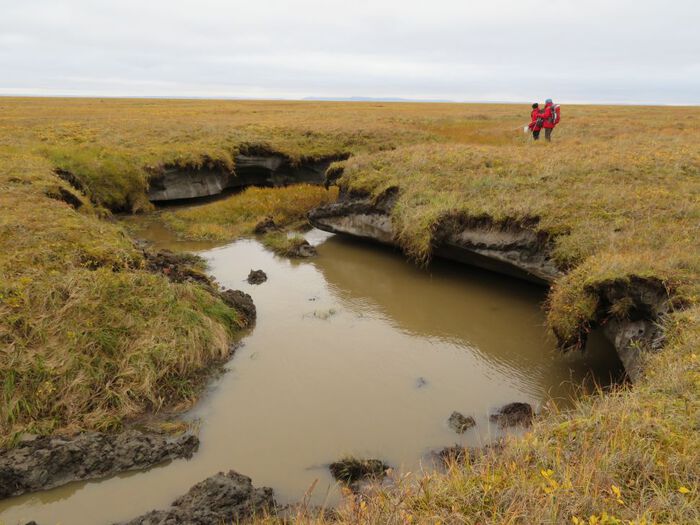
Melting of ice in permafrost ground leads to processes of change in the landscape – thermokarst. This may cause faster thawing of the permafrost.
It's not about the Black Death or the dinosaurs dying out. "The Great Dying" is an event in the geological perspective. The largest of all mass extinctions on Earth. We are at the end of the Permian Period, 252 million years ago.
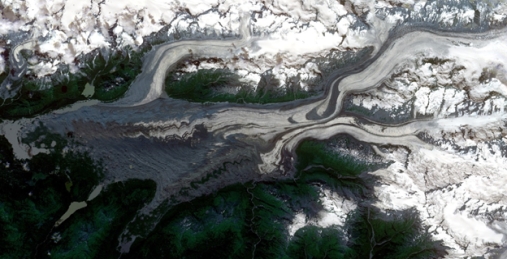
– We need to understand how glaciers are shrinking in order to better adapt to climate change impacts such as changes to water supply, landslides and avalanches, says Prof. Andreas Kääb, a glacier expert from the University of Oslo in Norway.
A new methodology to combine heaps of satellite images allows researchers from University of Oslo with colleagues to create a complete time series of glacier movement. To demonstrate the methodology, they created a map of ice flow every month, over several years, covering several mountain ranges in Southern Alaska and Canada. Once created, the dataset revealed several sudden glacier speed-ups and slow-downs.
The permafrost in the Arctic is thawing. Now a new study find that seventy percent of the current infrastructure in the Arctic in the next 30 years has a high potential to be affected by thawing permafrost. This despite if the climate change targets of the Paris Agreement is meet.

.JPG?alt=listing)