Published
May 30, 2025 1:40 PM
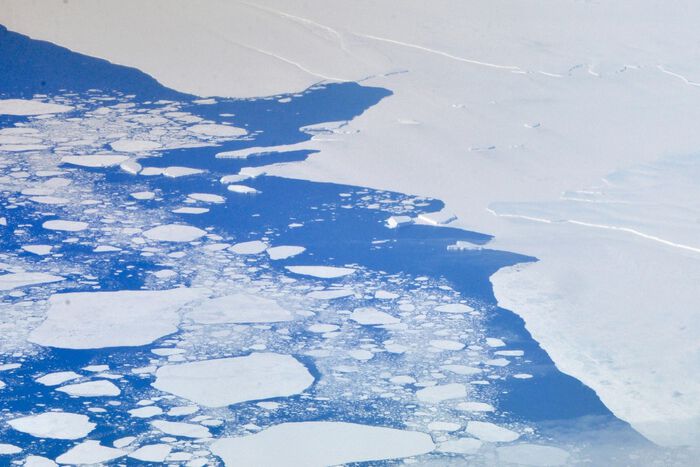
The world's glaciers are melting, and this affects communities and the natural environment. Climate policy can preserve more ice mass, researchers point out.
The world's glaciers are melting, and this affects communities and the natural environment. Climate policy can preserve more ice mass, researchers point out.
Can permafrost and environmental sciences be showcased in a gallery? Do artists and the art scene contribute to scientists and scientific understanding, and vice versa? The answer is yes. The exhibition "A Feeling of Longing That Freezes and Thaws" was a successful collaboration held at Atelier Nord, Oslo.
Glaciers have lost a collective 6542 billion tonnes of ice between 2000 and 2023, contributing 18mm to global sea-level rise, and loss of fresh water reserves. This according to a study from the Glacier Mass Balance Intercomparison Exercise (GlaMBIE) in Nature.
Permafrost temperatures in Europe's mountain regions are rising steadily, in some cases by more than 1°C over the last decade. A new study show large and fast changes.
That is, if we meet the Paris Agreement target of limiting warming to 1.5 degrees Celsius. “Human action matters”, says Professor Regine Hock.
Smelting av is i permafrostområder fører til raske endringer i landskapet – termokarst. Det kan igjen bety raskere tining av permafrosten.
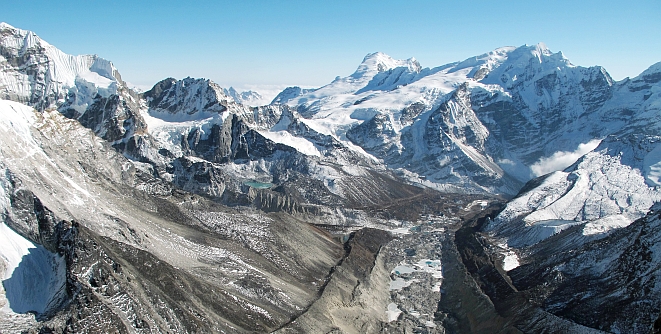
Satellite data from IceSat (NASA) provide new knowledge about the glaciers of the world's highest mountains. Findings in a paper published in Nature shows that Himalayan glaciers does not melt faster than other ice glaciers.