I am fascinated by how coastal ecosystems work and how human activities affect them. Landscape ecologist by training, I ventured into aquatic biology, studying small coastal fish, especially zooplankton.
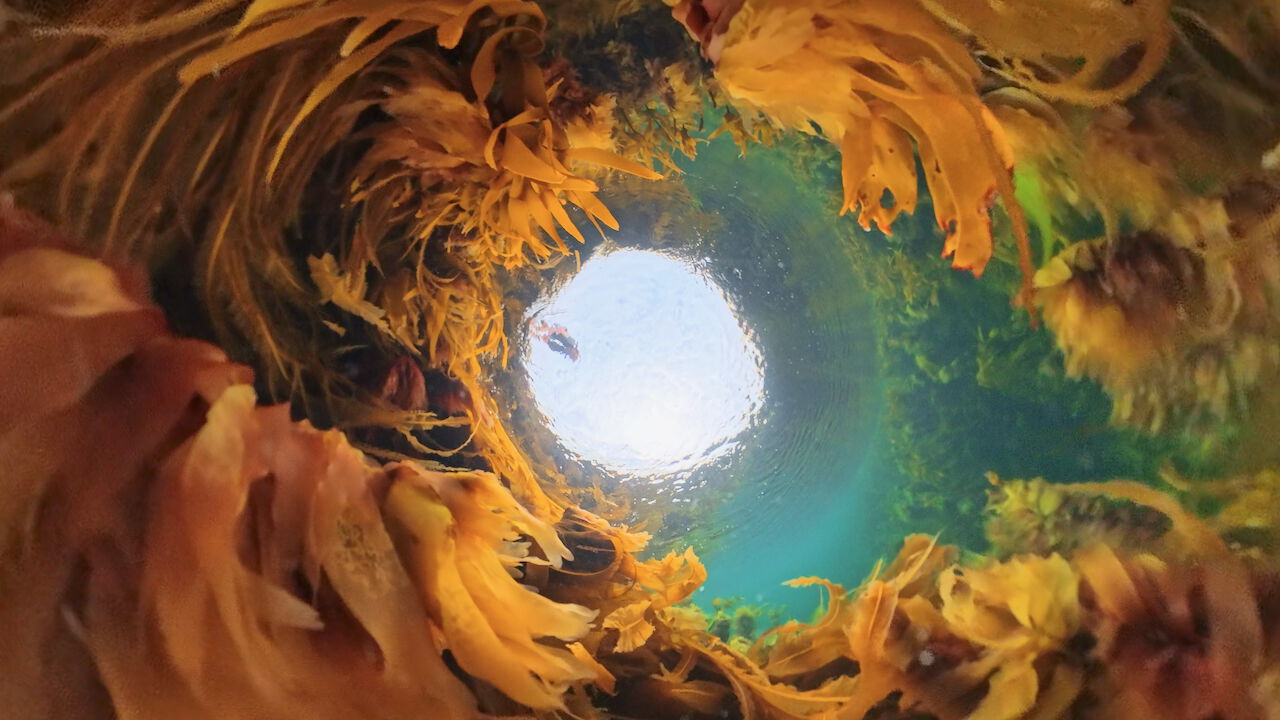
In the ongoing project MACROCOP, we study the ecology and role of phytal copepods along the Norwegian coast. More specifically, we quantify the diversity and abundance of the copepod community in macroalgae habitats and elucidate their ecological role in coastal food webs. We use an array of techniques, including behavioral experiments, field observations, and metabarcoding.
I am also part of the POICE project, which investigates the role of parasites and disease in copepods. To study the hosts' temporal disease dynamics and potential behavior changes, we use high-throughput imaging devices such as CPICS and Planktoscopes. This is ongoing work, and I hope to share the results soon.
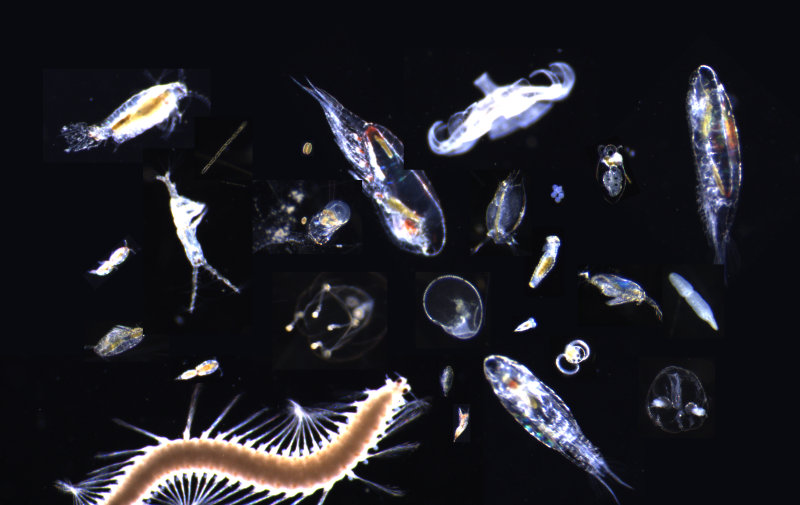
Before that, I studied the interaction of natural stressors (predation) and anthropogenic contaminants (copper) on the behavior, life history, and population dynamics of coastal copepods in the project MULTICOP.
Much of my research also involves open-source and affordable imaging platforms. I have developed new experimental approaches using open-source hardware (Raspberry Pi, 3D printing). These include a device with which one can follow the growth of individual copepods over time and another to measure the size of live zooplankton in the field.

If you are interested in my science outreach work, please visit my private homepage, where you can learn about "The World of Hopfs” and other outreach projects.