Trial lecture
The candidate will first give at trial lecture on the following topic: 'Foundation models and their potential to decipher biology and pathology'
Time and place: Aug. 20, 2025 09:15 AM, Auditorium RAD K, Radium Hospital
Research findings
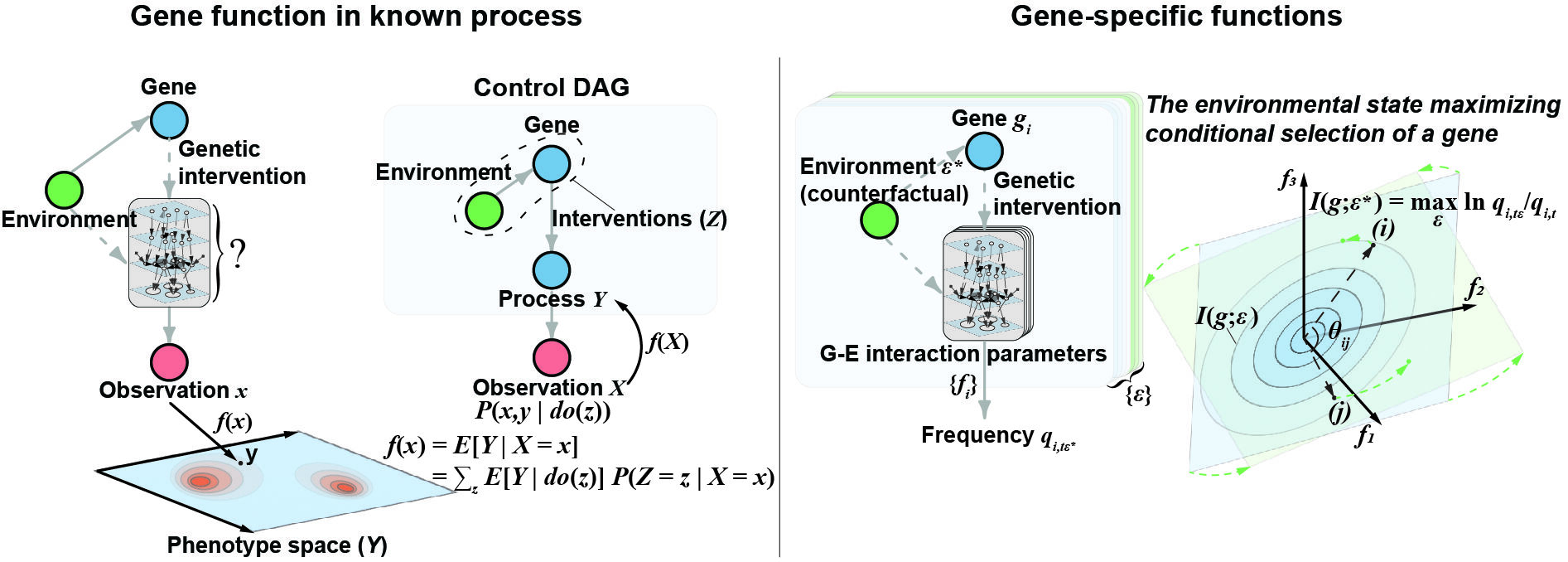
Modern cell biology generates vast quantities of data driven by rapid technological advances. Yet, reproducibility, generalization across studies, and predictive power remain limited due to the fragmented nature of functional knowledge and the inherent complexity, dimensionality, and noise in cell biological data. Moreover, systematic methods to precisely define, quantify, and integrate gene functions within dynamic cellular networks are lacking in the field, significantly limiting accurate modeling of cell behavior.
This thesis addresses these challenges by introducing novel statistical frameworks for systematically inferring gene functions, mapping functional networks, and predicting dynamic processes within cell systems. Two complementary methodological innovations anchor this work:
1) A causal-graph–guided deep-learning system that precisely infers genetic contributions within the phenotypic landscape of a specific cellular process using high-content data. Applied to a genome-wide collection of yeast mutants, this approach effectively maps the hierarchical genetic control of autophagy, enables genome-wide modeling of the process, and identifies kinetic and multi-phase control modalities beyond the scope of traditional methods.
2) A universal information-geometric framework for functional analysis capable of capturing unique gene function signatures within a vector space defined by fitness perturbation parameters, derived from environment-specific selection patterns observed across pooled CRISPR screens. This method achieves the most comprehensive functional mapping of the human genome to date and reveals how shifts in functional signatures influence network configurations across different cell types and states.
Collectively, these methods substantially enhance our capacity to interpret large-scale experimental data, translating functional insights into predictive models of cellular behavior. These insights are demonstrated across several cell systems, from predicting autophagy dynamics in yeast, to modeling tissue development, differentiation, and aging in human cells, and forecasting disease progression and therapeutic responses in cancer patients.
The developed methodologies thus lay a robust foundation for further advancements in functional genomics and systems biology, significantly progressing towards predictive and actionable insights in the life sciences.
Adjudication committee
Prof. Charles Boone, Department of Molecular Genetics, University of Toronto
Group leader and Senior Scientist Wolfgang Huber, European Molecular Biology Laboratory, Heidelberg
Prof. Sanne Boessenkool, Department of Biosciences, University of Oslo
Chair of defense
Prof. Rafal Ciosk, Department of Biosciences, University of Oslo
Supervisors
Prof. Jorrit M. Enserink, Department of Biosciences, University of Oslo & Group leader, Centre for Cancer Cell Reprogramming, Department of Molecular Cell Biology, Oslo University Hospital
Prof. Manuela Zucknick, Department of Biostatistics, University of Oslo & Director, Oslo Centre for Biostatistics & Epidemiology (OCBE)
Assoc. Prof. Tor Erik Rusten, Medical Faculty, University of Oslo & Group Leader, Institute for Cancer Research, The Norwegian Radium Hospital
Prof. Pål Falnes, Department of Biosciences, University of Oslo