The defense will also be live streamed using Zoom. The host of the session will moderate the technicalities while the chair of the defense will moderate the disputation.
The event opens for participation just before it starts, and closes for new participants approximately 15 minutes after it has begun.
Trial lecture
The candidate will first give a trial lecture on the following topic: 'The importance of museum collections for conservation strategies'
Time and place: Dec. 15, 2025 10:15 AM, Nucleus, Bikuben, Kristine Bonnevies hus
Main research findings
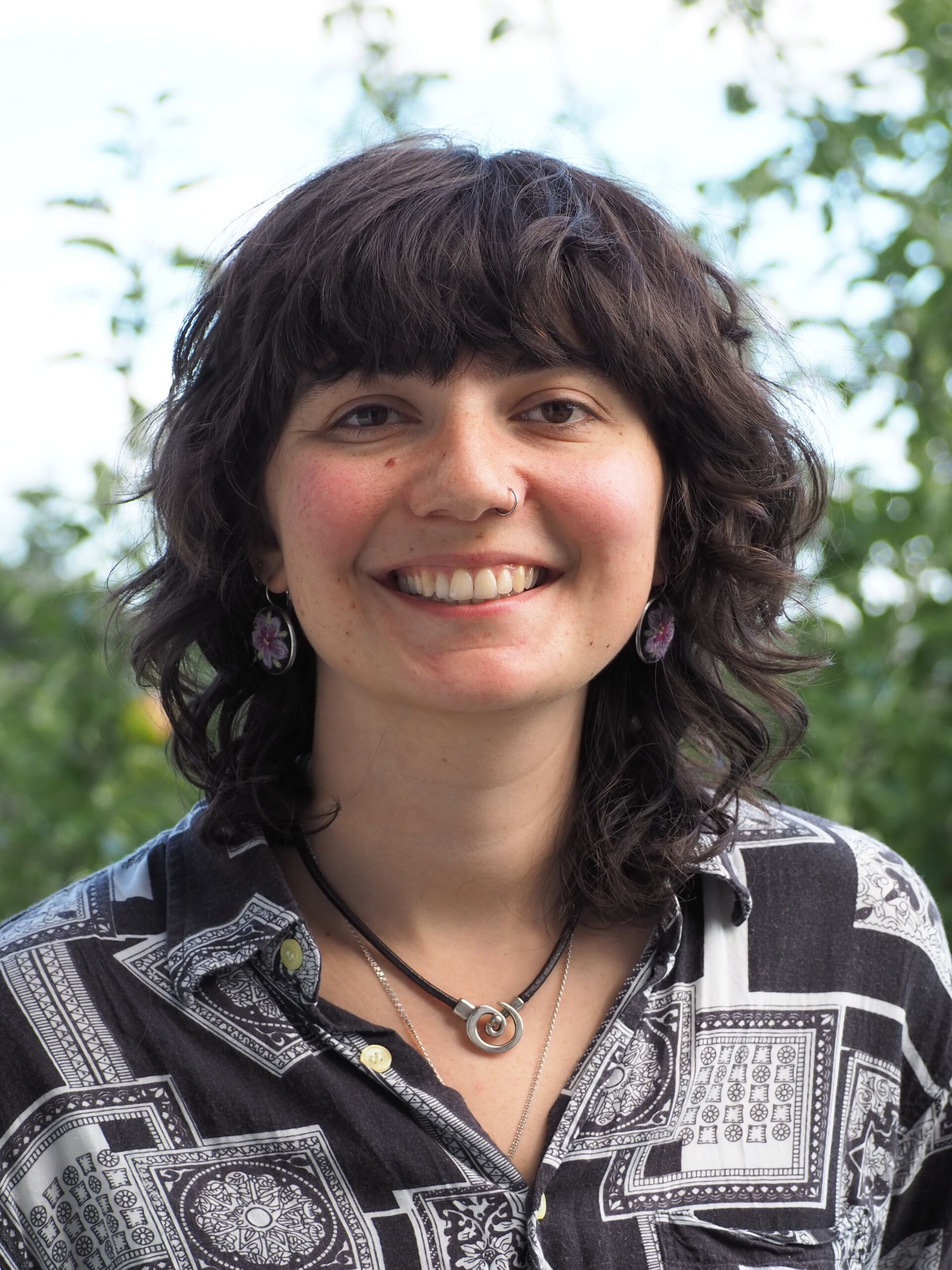
This thesis focuses on sea cows—large, iconic marine mammals that remain understudied despite their cultural significance. Sea cows have long been threatened by human activity and, more recently, by global climate change. The only cold-adapted species, Steller’s sea cow, was driven to extinction by humans in the 18th century during a period of intense marine exploitation. Today, all remaining species are listed as Vulnerable, meaning they face a high risk of extinction in the near future. Further research to inform conservation action is urgently needed.
I investigated the population structure and genetic diversity of sea cows using novel genomic data generated from natural history specimens collected across their global range, with a focus on populations that have never been studied before. Despite the expectation of poor DNA preservation in tropical marine mammals, I show that museum collections can serve as valuable resources for spatio-temporal ancient DNA research, and I offer recommendations for improving future aDNA workflows for such specimens.
The genomic data reveal a more detailed and comprehensive picture of sea cow population structure and diversity. Whilst sea cows have been subjected to human pressures for hundreds—if not thousands—of years, the patterns I uncover point to much deeper divergence and long-term population fragmentation. Within Africa, stable isotope analysis further shows that sea cows occupy highly specialised ecological niches, indicating divergence at both evolutionary and ecological scales. I also point out populations that show very low genetic diversity, which may put them at particular risk and highlight the need for targeted conservation measures.
These findings are intended to support ongoing conservation efforts by underscoring the ecological importance of sea cows and the broader consequences of their loss.
Adjudication committee
Prof. Eline Lorenzen, Globe Institute, University of Copenhagen
Principal Researcher Selina Brace, Natural History Museum London
Researcher Andrew Foote, Department of Biosciences, University of Oslo
Chair of defense
Prof. Asbjørn Vøllestad, Department of Biosciences, University of Oslo
Supervisors
Prof. Bastiaan Star, Department of Biosciences, University of Oslo
Prof. James H. Barrett, Norwegian University of Science and Technology (NTNU)
Assoc. Prof. Cristina Brito, CHAM - Centre for the Humanities, NOVA University Lisbon