*** The seminar has been postponed ***
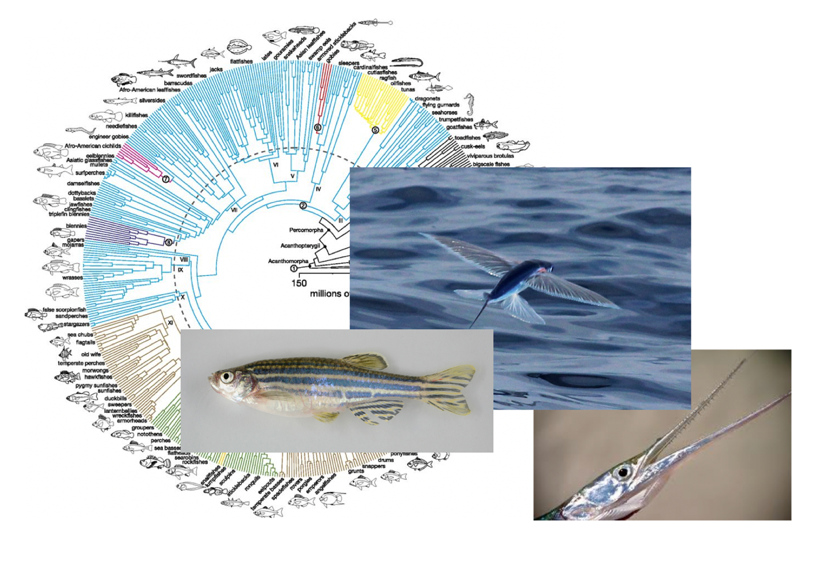
Our genomes provide a heritable blueprint that shapes our form and physiology. Development is the translator of genomic variation in the context of environmental influences. As development is an inherently robust and conservative process, through an understanding of developmental processes we can better address and potentially predict effects of genomic changes. Towards these ends, we use systematic screens in the zebrafish to identify the genetic regulation underlying form. In tandem, we have devised a targeted capture methodology and analytical pipeline that permits broad whole genome analysis of taxonomically diverse clades. this increased capacity for broad genomic comparisons allows for genetic mapping of evolutionarily defined traits, a process we term Phylomapping. The pairing of these two genetic and genomic tools, provides a powerful experimental platform to understand genetic regulation underlying form and physiology. I will highlight our efforts to mine both experimental and natural forward genetics to understand how changes in development constrains and potentiates morphological variation in teleost fishes.
Harris Lab bio
The Harris laboratory studies fishes as models to understand the genetic regulation of ‘post-embryonic’ development of the skeleton and the inherent capacity for growth and repair in vertebrates. We use the power of forward genetics in the zebrafish as a means to identify genetic variants that regulate development of adult form as well as the regulation of life history strategies. Additionally, we capitalize on the immense diversity among fishes to track changes in morphology through mining genomic variation in fishes across broad taxonomic and evolutionary scale. These approaches have potential for expansion of fish genomic approaches towards understanding evolution, conservation, and aquaculture. The combination of experimental models and leveraging diversity in Nature serves as a foundation for a greater understanding of the role of development in shaping evolution.
Focaccia will be served from 12:00.