In this talk, Dr Margie Cheesman presents original ethnographic research in women’s centres in Jordan's refugee camps, where blockchain ‘digital wallets’ are being used to deliver financial aid. Foregrounding emic approaches to finance—Syrian women’s everyday practices and priorities— she examines how the Islamic concept baraka is the central lens through which they evaluate the digitalisation of aid payments. The religious concept baraka has various cultural meanings, including blessed, consistent, substantial, and dependable. The baraka lens opens up blockchains to new realms of critique as systems that restructure the rhythm and materiality of aid, with significant implications for socio-economic justice. While trust is the dominant concept in scholarly and policy debates surrounding digital media, FinTech, and blockchain in particular, she argues that faith is a more pertinent term. Trust has become enrolled in the vocabulary of technocrats, seen through the lens of the homo economicus as something to be automated and, ultimately, dispensed with. By contrast, faith gets at the unexpected ways in which technologies interface with humans and their principles, choices, and systems of belief. Overall, the contribution aims to address the neglected subject of religion in cultural responses to (financial) technology, and re-centre debate around the spirit of humanitarian giving.
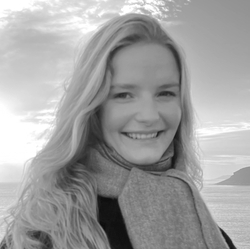
Dr Margie Cheesman is an ethnographer based at the Department of War Studies, King’s College London. Margie works with users and makers of digitalisation projects to study global migration governance and socio-economic justice. She has specific expertise on contemporary, experimental technologies of money and identity. Margie's current postdoctoral work includes a book project based on her PhD thesis, which was the first ethnography of blockchain technology in the humanitarian sector and involved fieldwork with refugee groups and United Nations agencies in Jordan. Margie also works with the Minderoo Centre for Technology and Democracy (Cambridge) and the journal Big Data & Society.