Andre
Kommende

With an increased spotlight on the use of metric in research and higher education, is there still a place for university rankings? Can they be a useful ally for universities, or are we better off without them?

We are thrilled to invite you to participate in the upcoming Slice of Science, part of The WEEK 2027 - a dedicated career week focused on advancing professional development for early career researchers across the University of Oslo, and we're glad to receive contributions from all faculties across the university. This engaging platform allows young researchers to present their findings in an accessible manner while fostering social connections and inspiring collaboration.
Tidligere
Join us in this Open Science Lunch to hear about synthetic data - what it is, how the use of artificial intelligence affects the generation of synthetic data and what are the implications for open science.
Do you use Open Science Framework (OSF)? Have you heard about the upcoming changes? Join us to discuss OSF changes and hear about alternative solutions for data sharing and archiving.
Join us to hear from an expert in research ethics about self-plagiarism and why it is a misleading concept!
In this Open Science Lunch, we look into Diamond Open Access publishing – publishing with neither author nor reader payment – and the movement of journals «flipping» from Toll Access or Gold OA to Diamond. We will also hear about a programme for supporting Diamond OA journals.
While publications are often visible in databases, other activities and open science outputs can remain difficult to discover. In this session, we will discuss opportunities for researchers to improve their visibility online through researcher profile services and social media.
The EOSC EDEN project seeks to enhance digital preservation strategies at European and National level, to make sure research data remain FAIR in the long term. At its core, the project will create a comprehensive framework to identify what data are candidates for digital preservation. In addition to the framework, the EOSC EDEN project aims to develop a model for re-assessing data throughout its lifecycle.
Lots of research data have a high reuse value and should be preserved after the project is finished, but not all of them can be shared openly. Join us for this Open Science Lunch to learn from FEGA Norway for archiving omics data that need restricted access.

Are you a PhD candidate, Postdoctoral fellow, or Early Career Researcher? Join us for a fun, social evening of bite-sized science talks, pizza, and a friendly quiz! Twelve Early Career Researchers from across UiO will present accessible, four-minute talks. Snacks provided; beer and wine available for purchase. Come for the pizza — stay for the conversation!
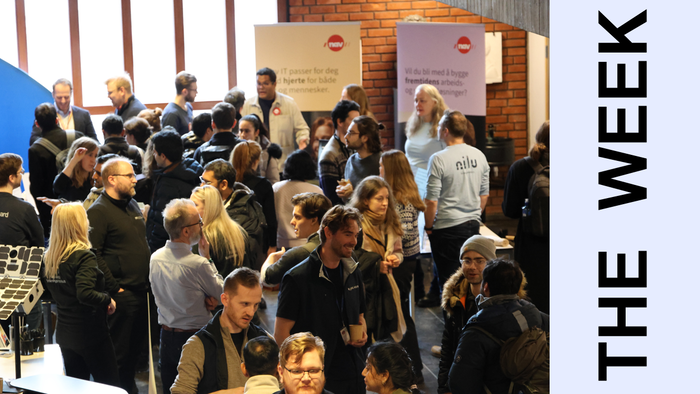
Meet your future employer at the Career Fair. Shake hands, show face, and discuss your career opportunities with companies who are looking to hire early career researchers.

Your CV is one of the most important documents when presenting your competence to a future employer. In this workshop you will learn about the do`s and don’ts when it comes to writing a CV for different application processes.

Shape Your Career – and Build the Network That Gets You There!
In this session we will explore different career paths for Early Career Researchers and the importance of intentional and effective networking. You will get real-world examples and practical tips on how to look for job opportunities, and strategies to make networking both effective and enjoyable.

In this interactive session, we will explore how to identify and articulate your academic and transferable skills and reflect on what motivates you. You’ll gain practical tools for mapping your competence and clarifying your direction.

Get the low-down: What do you need to create a successful proposal?

Do you want to become a better speaker? Are you preparing a presentation for a conference, dissertation, or a meeting at the local library, and you are seeking feedback? Then this workshop is for you.

A reality check: your future career and how to fund it

This session aims to inspire you to rethink the way you design and present scientific posters. Learn to create visually engaging posters that communicate effectively and stand out from a sea of text-heavy designs.

NVivo is a complex software for qualitative research that can be used to code text, sound, image, and video.

Learn to make clear and effective data visualization in R software. The workshop introduces ggplot2 together with the key design principles needed to create clean, publication ready graphics

We are excited to announce a special event during our Career Week exclusively for Early Career Researchers: the Drop-in Career Coffee! This is an informal, low-threshold gathering where you can get tips and tricks for job interviews, get feedback on non-academic CVs, or talk about other career related questions you might have.

Learn about different tools, platforms and services to share your research and other contributions, and how you utilise them to make yourself and your work more visible to the academic community and the society at large. In this workshop you will get an introduction to research visibility, and hands-on help to build your online profile!

This course identifies the “kappe” as both a distinct and critically important element of the full body of work in an article-based PhD dissertation. It offers conceptual and practical perspectives on how to position the “kappe” and how to write it.
Do you want to contribute to a more welcoming and supportive work environment in academia? Curious about how diversity can strengthen collaboration and create better workplaces? Or maybe you want practical tools to recognize and reduce biases in everyday situations? Then this workshop is for you.
Academic workplaces are diverse, but unconscious biases and structural barriers can still affect collaboration, decision-making, and career opportunities. In this workshop, we will explore why diversity matters, how biases shape our interactions, and what you can do to create a fair, respectful and innovative work environment.

Learn how to clearly communicate complicated concepts while talking to different crowds.