Disputas og prøveforelesning er i Auditorium 1 i Geologibygningen. I noen tilfeller vil prøveforelesning og disputas være mulig å delta på digitalt, i så fall blir det lagt ut en lenke til Zoom.
Delta via Zoom (webinar)
Prøveforelesning
Onsdag 25 juni, 10:15-11:00, Aud 1, Geologibygningen:
Climate adaptation and mitigation measures to reduce the health impacts of heat: current evidence and future directions
Kreeringssammendrag
Ekstrem hete kan utgjøre helserisiko, spesielt for de bosatt i storbyer. I sin doktorgradsavhandling har Iulia Marginean styrket forståelsen av klimarisiko ved varme ved å sette sårbarhet i sentrum for risikovurderinger. Gjennom tverrfaglige metoder viser avhandlingen hvordan demografiske, sosiale og miljømessige faktorer påvirker helse ved hete, især i byområder. Funnene gir nye verktøy for høyoppløselig kartlegging og framskrivning av sårbarhet, og støtter mer målrettede og rettferdige tilpasningstiltak.
Hovedfunn
Populærvitenskapelig artikkel om Margineans avhandling:
Heat impacts on human health in cities and the role of vulnerability in climate risk. Interdisciplinary research on urban overheating
Heat stress is becoming a pressing public health concern as the climate warms. Cities are particularly affected because the urban heat island effect makes already hot conditions even worse. But not everyone is affected equally. It is the most vulnerable, such as older people, individuals with chronic diseases, those with low income or limited access to care, who are most likely to fall ill or even die during extreme heat events. That is why understanding who is vulnerable and why is essential for designing and implementing effective climate adaptation strategies.
In her doctoral thesis, Iulia Marginean investigated the role of vulnerability in heat-related climate risk, combining methods from climate science, epidemiology and social sciences in an interdisciplinary manner. The results consist of new ways to assess the interactions between vulnerability factors, how they influence people’s experience with heat, their effects on heat-related mortality and development of high-resolution projections of vulnerability that are aligned with commonly used scenarios. These tools can help city planners and policymakers target adaptation efforts where they are needed most. Not least, the results highlight that vulnerability in a community is far more complex than what we can model using statistical tools. It is also shaped by people’s habits, behaviour and lived experiences.
Foto og annen informasjon:
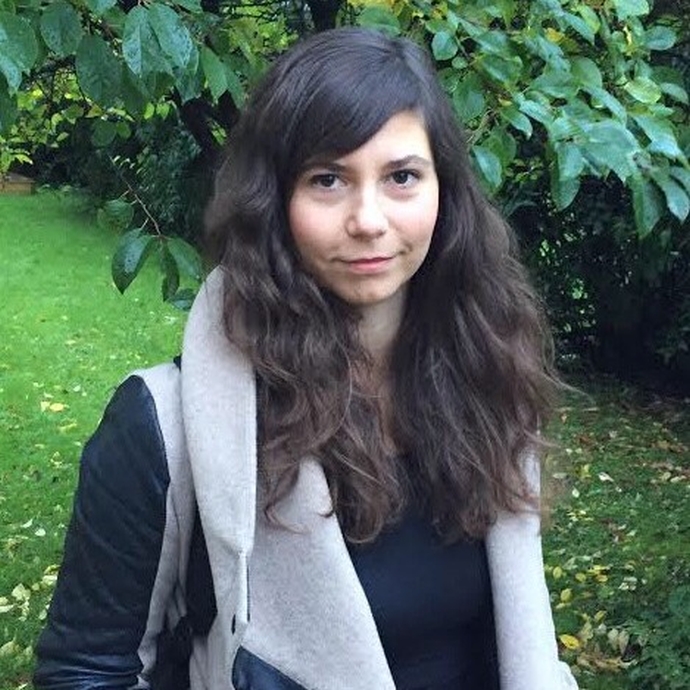
Pressefoto: Iulia Marginean, portrett; 690px. Foto: Privat