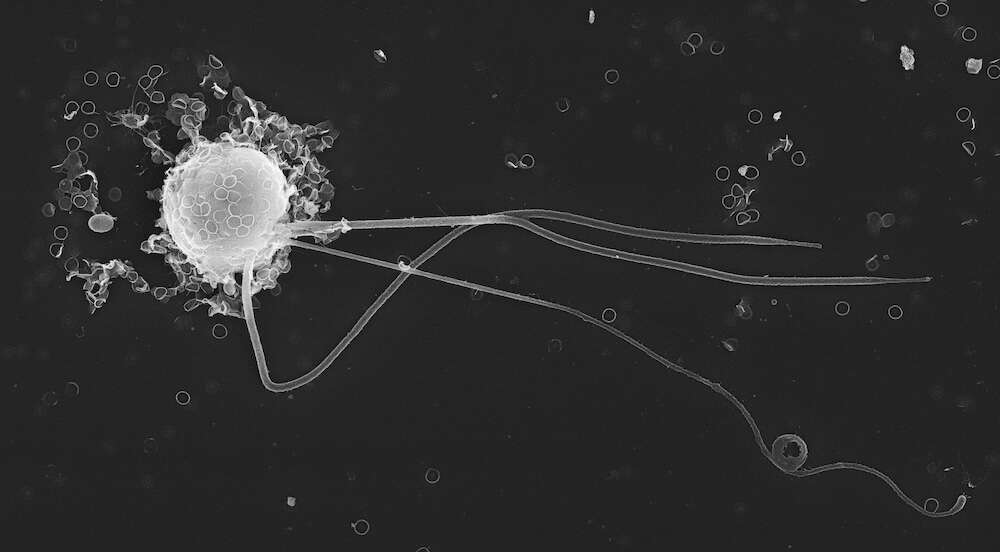

The project builds on the results of the original ToxANoWa project, which investigated the toxicity and toxins of the marine microalgae Chrysochromulina leadbeateri which has caused fish mortality during harmful algal blooms (HABs) in coastal Northern Norway.
The goals are to identify the algea and their toxins, understand their production and toxicity to fish, and develop improved systems for early warning and monitoring. This will contribute to better fish health and fish welfare, reduced losses in the aquaculture industry, and enhanced preparedness for future harmful algal bloom events.
The project focuses on understanding and investigating several toxic microalgal species that can cause large-scale fish mortality in aquaculture, such as members of the algal groups haptophytes, dictyochophytes and dinoflagellates. By combining toxicology, chemistry, and marine biology ToxANoWa II will generate knowledge that can be applied to practical monitoring and risk assessment.
Scientific work packages:
- Characterise microalgal communities, algal toxins, and metabolomes in field samples from HAB-affected areas
- Characterise toxicity, toxins, and metabolomes in cultures of potentially fish-toxic algae from Norwegian waters, as well as growth conditions promoting toxin production in the microalgae
- Develop and evaluate of potential methods for monitoring algae and toxins associated with fish mortality
- Investigate toxicity of C. leadbeatericultures and leadbeaterins in fish and fish gill cells
- Produce reference materials
