Webpages tagged with «Sustainability»
Social media promised to provide us with connection. However, early optimistic visions of a more connected and unified population has given way to a series of concerns related to unsustainable outcomes.

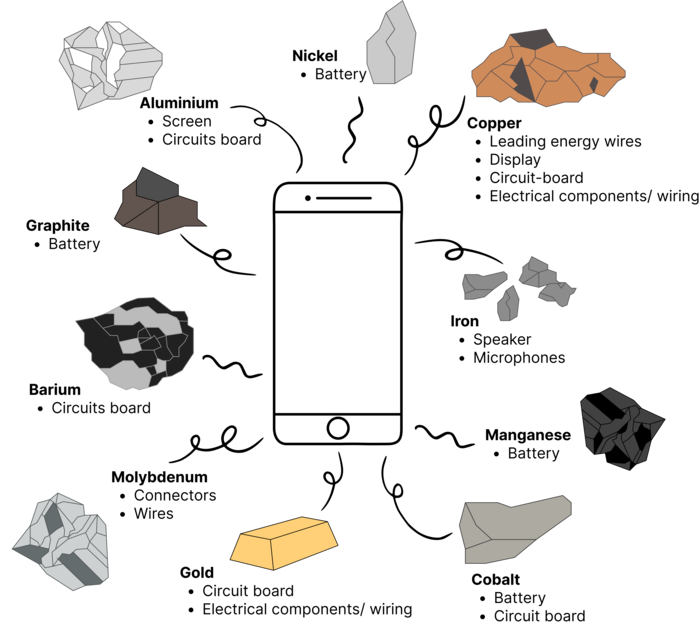
The choice of materials in product design plays a central role in the sustainability of a product. The Sustainable Futures Lab has a Materials Library of Stones. Each stone contains one or more minerals needed to make our digital products and our technologies for non-fossil energy production, such as wind turbines, batteries, and solar panels. Each stone has a past, present, and future. How can we interact with these stones to make their lives visible?
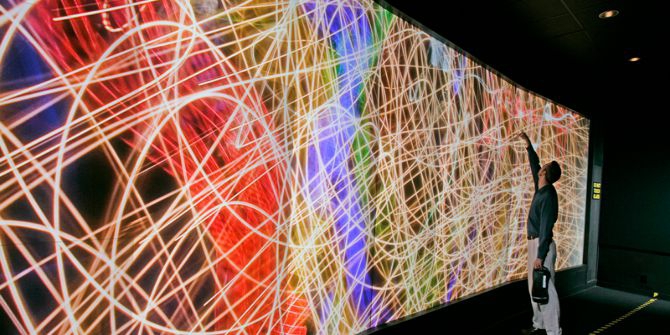
Can we make people more aware of energy consumption? In other countries, people are aware of their energy use because energy is expensive or only accessible a few hours per day. How to do this in Norway where relatively cheap energy is available 24/7? In this master project, a team of students will work towards an installation in which energy consumption is visualised – and maybe even heard or felt – in a creative and informative manner.
The Sustainable Futures Lab at IFI has designed a Materials Library of Stones. Each stone contains one or more minerals needed to make digital technologies, such as mobile phones and AI, and technologies for non-fossil energy production and storage, such as wind turbines and batteries. There is also a digital version of the Materials Library. Both the physical stones and the digital library can help increase material literacy among youth in schools.
The Sustainable Futures Lab at IFI has designed a Materials Library of Stones. Each stone contains one or more minerals needed to make digital technologies, such as mobile phones and AI, and technologies for non-fossil energy production and storage, such as wind turbines and batteries. The University Library is interested in a (permanent) installation of a Materials Library of Stones.


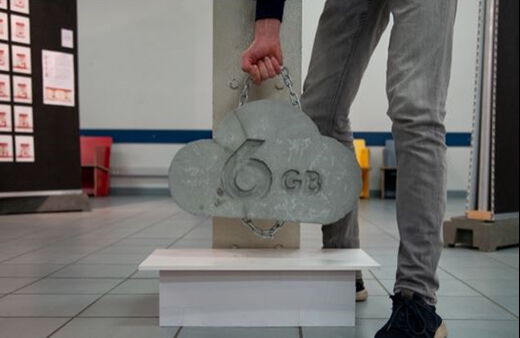

Can we identify the values that have guided the design of digital products? In this master’s thesis project, you will investigate what values are embedded in digital products and how to make these values visible and tangible.
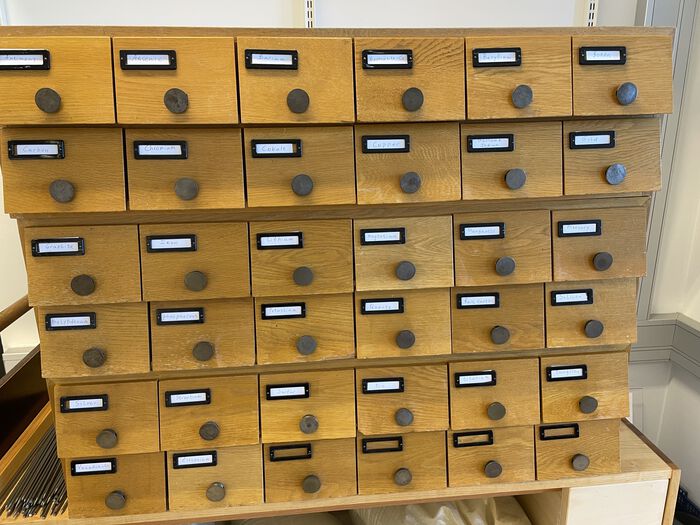
The choice of materials for the design of a product plays a central role in the sustainability of a product. The Sustainability Lab owns a materials library of stones. Each stone contains one or more of the minerals needed to make our digital products and our technologies for non-fossil energy production, such as wind turbines, batteries, and solar panels. Each stone (mineral) has a past, present, and future. In what ways can we interact with these stones to make their lives visible?
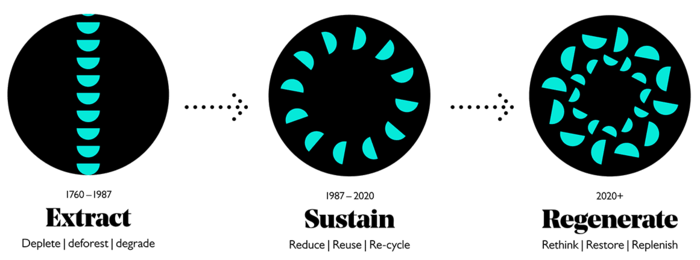
The Regenerative Technologies research group is working on several research projects on sustainability. We have two master thesis projects available (no longer available). This master thesis focuses on how to design a low-energy website.

Sustainable Development Goal 4 (SDG 4) from United Nations refers to the inclusion and quality of education. This implies providing equal access to all levels of education. The main focus has been on inclusion and accessibility through universal design with a focus on disabilities. We wish to explore the role of inclusion in human-computer interaction (HCI) of digital learning environments with equal access and rights to participate in design and use with a broad focus on disabilities, i.e., inclusion throughout the design process, for learners of all ages, in situations of learning and knowledge development. Digital learning environments are tools employed in educational institutions (from schools to higher education) for teaching and learning purposes, but also in workplaces, edutainment, and e-commerce to support non-routine tasks and complex problem solving. More specifically we ask for positions papers representing different viewpoints on inclusion in education through issues, methods and stories obtained from design experiences and/or from empirical studies in use of digital learning environments, hoping to recruit a diverse group of participants, presenting and discussing examples of failures and/or successes of inclusion in education with technology.
